ALFA Journal
All articles.
Industries. Enterprise. ALFA.
Find a reading path ↗Search is temporarily unavailable. Use the page links or choose an industry to keep reading.

Agriculture · Briefing
A processor can plan confidently without treating every expected delivery as certain; a layered forecast makes the difference visible to operations and finance.

Green Energy · Briefing
A water project's demand and storage arrangements can influence how renewable electricity is used, making the water service central to the energy discussion.

Mining & Resources · Enterprise
Patterns in contractor variations can expose unstable scopes and weak planning interfaces, offering an opportunity to improve the operating arrangement instead of repeating disputes.

ALFA Token · Analysis
Customers need to find available services by purpose, location and eligibility before a balance can help them decide whether the utility is useful.

ALFA Debit · Analysis
A card can help customers recognise recurring spending, but the merchant's subscription terms determine when a trial becomes a paid service and how cancellation works.

ALFA Digital · Analysis
An asset owner and its operator may contribute different evidence, making the relationship between title, service responsibility and reported performance central to a coherent listing.

Leadership & Enterprise · Enterprise
An order book becomes a more credible operating indicator when management distinguishes executable demand from orders waiting on funding, sites or customer decisions.

Journey & Enterprise · Analysis
Planning ordinary staff cover exposes hidden access, knowledge and authority gaps before an unexpected absence turns them into a business interruption.

Aviation · Analysis
Repeated urgent purchases often reveal an unresolved sourcing problem. A maintained alternatives register can make commercial responses more deliberate and less dependent on memory.

Healthcare · Analysis
A hospital's thermal conditions vary across its buildings. Investment decisions need a practical view of occupied spaces and the services that depend on them.

Agriculture · Field Notes
Customer feedback becomes commercially useful when a processor can connect the complaint to a product lot, purchasing decision and specific corrective action.
Green Energy · Field Notes
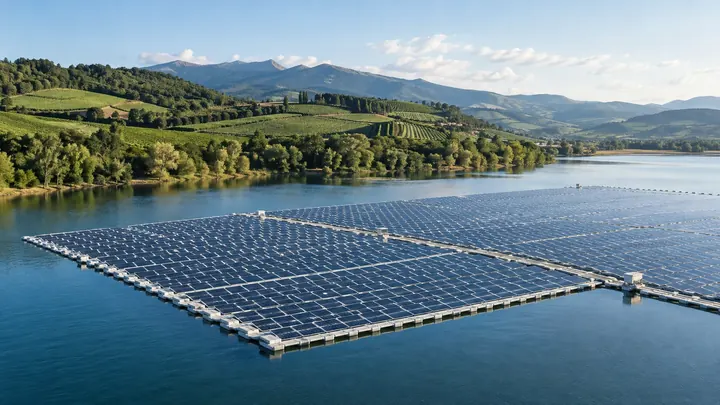
A controlled readiness exercise can reveal whether operators, customers and service providers understand their roles when a local energy system changes operating mode.

Mining & Resources · Analysis
Copper opportunities become easier to compare when the intended product and industrial responsibilities are clear, rather than being compressed into a single commodity label.

ALFA Token · Perspective
Scanning an address is convenient, but a service payment still needs an amount, network and order reference that the customer can verify.

ALFA Debit · Perspective
Category-based controls can support a spending policy, but the business still needs to understand the actual goods or services bought from a merchant.

ALFA Digital · Perspective
An obligation can be paid while the evidence of released security still requires attention, making closure a documented workflow rather than a single balance update.

Leadership & Enterprise · Analysis
Partners can agree the broad bid and still disagree when a final customer request changes margin, scope or responsibility shortly before submission.

Journey & Enterprise · Perspective
Before removing an unofficial tool, management should understand the unmet need that made employees build and maintain it in the first place.

Aviation · Field Notes
Fleet diversification changes the information a business must manage. The introduction budget should recognise documentation work alongside equipment and technical preparation.

Healthcare · Field Notes
Vertical transport connects departments and services. Continuity planning should examine which journeys become difficult when one part of that system is unavailable.

Agriculture · Analysis
A niche product can test willingness to pay without forcing the whole mill into a costly operating pattern before repeat demand is established.
Green Energy · Analysis
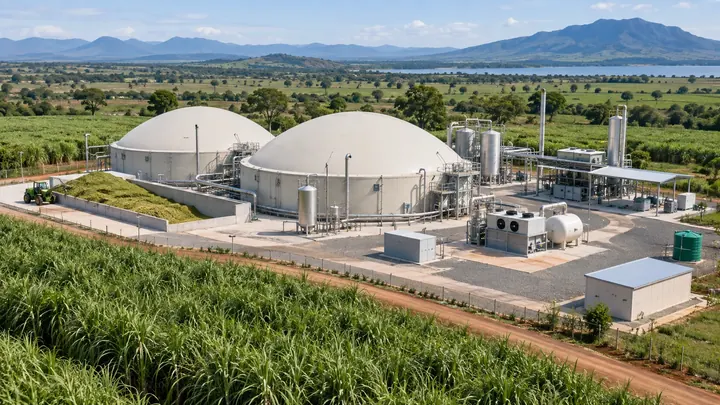
Electricity restoration and business recovery are related but distinct, so energy providers should understand the customer's restart needs without assuming the meter tells the whole story.

Mining & Resources · Field Notes
Customer qualification deserves its own timetable and evidence record, connecting representative lithium materials with the specific uses and acceptance processes of prospective buyers.

ALFA Token · Field Notes
A failed wallet instruction should lead the customer back to a clear order state, with practical next steps that avoid duplicate payment attempts.
No stories found.
Try a different topic or clear the filters.
