Lithium in an exploration narrative does not yet describe the product a buyer could receive. Avani Microlight Resources’ Zimbabwe programme concerns pegmatite-hosted lithium in Bikita. The investor’s useful question is how mapping and preliminary investigation will become evidence about mineralogy, recoverability and consistent product quality, before sales assumptions enter a development model.
Retain the exploration label
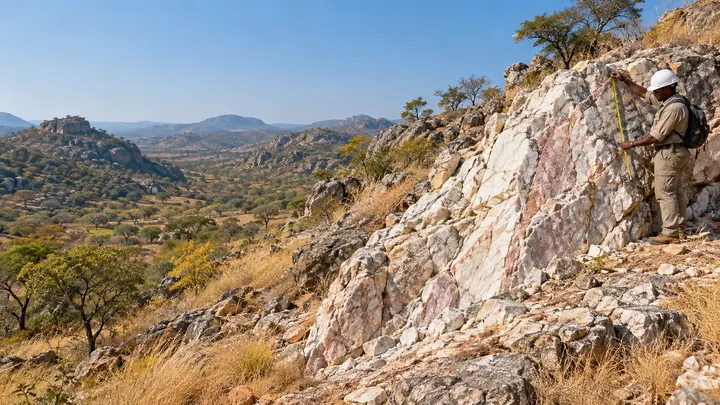
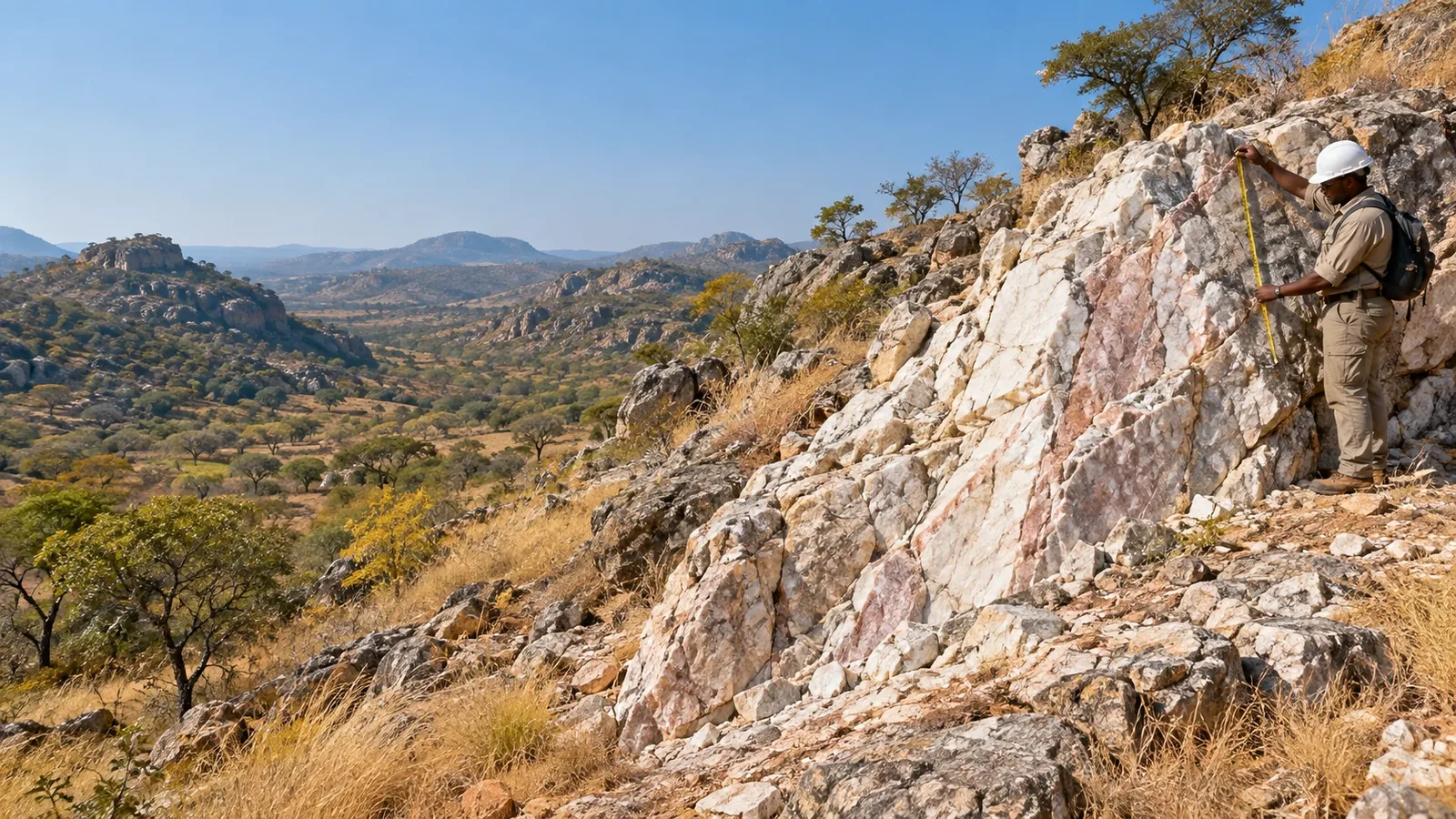
ALFA’s whitepaper describes a 1,640 hectare exploration area. The June 2025 material combines drone mapping, aeromagnetic interpretation and ground geophysical work, including reported profiling across 40 profiles. A separate summary records surface samples and preliminary down-the-hole holes. These are descriptions of investigation, with their source dates and document boundaries.
The whitepaper says additional drilling, core logging, laboratory analysis and mineralogical and metallurgical testing are required. It also says different tonnage estimates need reconciliation. Commercial lithium production is not established by the supplied material.
Ask what carries the lithium
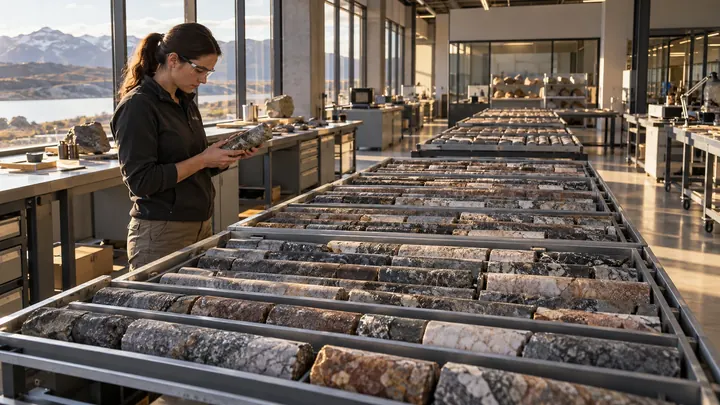
A processing study begins with understanding the minerals present, their associations and their variability across the material being investigated. A chemical assay and a mineralogical description answer related but different questions. The owner needs both to design a meaningful testing programme.
For a prospective partner, the evidence request should connect each sample to a geological domain and explain why it represents a possible future feed. Surface material and preliminary drilling can guide further work, while leaving questions about depth, continuity and changes in mineral characteristics unresolved.
Follow the material through a proposed process
The next technical file should explain how a selected processing route is tested, which fractions are recovered, where material is lost and what the resulting product contains. Variability deserves explicit testing. A result from one sample should not silently become the recovery assumption for every part of a conceptual mine plan.
Product specifications also need a customer context. A concentrate, an intermediate product and a refined chemical imply different facilities, counterparties and quality requirements. A project owner should choose the proposed commercial boundary deliberately instead of allowing a broad commodity label to define the business.
Reconcile quantities before discussing scale
JORC’s framework distinguishes exploration observations, resources and reserves and links reserve reporting to wider technical and economic considerations. It is cited as a reporting reference, with no claim that Avani has reached those stages. Reconciliation of the source estimates should precede any attempt to present a single verified inventory.
The owner’s next decision can be a targeted programme that joins drilling, sample validation and processing tests. The investor’s assessment is whether that programme can support a defensible product route. A credible scale discussion then has somewhere to begin: consistent geological evidence, a testable mass balance and an explicitly defined output.