Suspending production does not make a site's physical systems and obligations disappear. The owner must decide what work continues, who controls it and how the condition of the site will be preserved or managed. A care-and-maintenance handover should therefore be planned as an operating transition, with evidence supporting both the remaining duties and the budget available for them.
Establish the condition at transfer
The handover record should identify facilities, equipment, excavations, stored materials and the relevant environmental and safety conditions. Current drawings and inspection records need to match what is physically present. IFC's mining guidance includes temporary suspension and early closure considerations. A hypothetical new team cannot manage a water system effectively if the available diagram omits recent changes. The owner should assign responsibility for resolving record gaps before the departing team loses access or site knowledge. Investors should distinguish an intention to pause from a completed transfer into a documented, adequately resourced condition under named management.
Define the services that continue
Monitoring, access control, water management, inspections and maintenance may remain necessary, depending on actual site conditions. Appropriate specialists should establish the duty and applicable requirements. The plan needs staffing, contractors, consumables and supply arrangements for those services. IFC's management-system approach supports continuing risk assessment and corrective action. A hypothetical budget based only on security personnel could omit important technical work. The owner should connect each expenditure with a stated obligation and review the consequence of interruption, including the ability to obtain support when the site no longer has its normal operating workforce or routine procurement arrangements available.
Preserve data, samples and commercial records
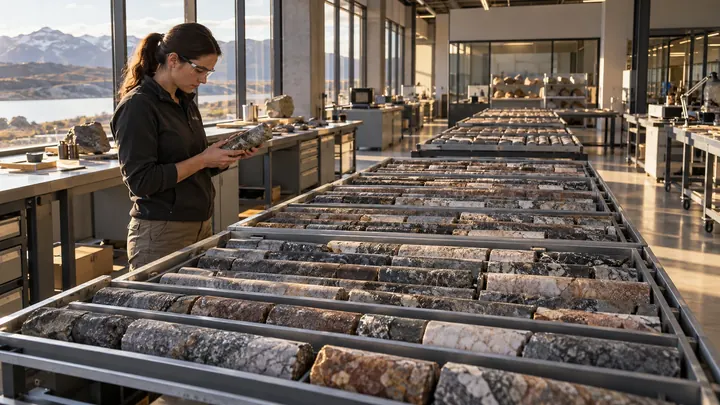
A pause can disrupt the technical evidence needed for future decisions. The handover should cover databases, archives, permits, contracts and the status of outstanding work. Ownership and access need clear documentation. A hypothetical contractor exit should not leave the project without passwords or the map locating archived core. The team should test retrieval of critical information and assign a custodian. Investors gain a better view of residual value and obligations when the records remain usable. The owner can then assess restart, transfer or closure with an evidence base that survives the organisational transition instead of relying on the memory of staff who have departed.
Set review points without promising restart
The plan should identify monitoring triggers, reporting responsibilities and decisions requiring updated technical or commercial assessment. Restart is a separate commitment that may require inspections, approvals, maintenance and financing appropriate to the circumstances. A care-and-maintenance announcement should not imply those conditions are already met. Owners can report the work performed and the condition being managed. Investors can examine whether the budget is sufficient for the stated duty and what would change it. The transition is credible when a responsible organisation can demonstrate continuing control of the site, with the remaining risks and future choices kept visible through the period of suspended production.