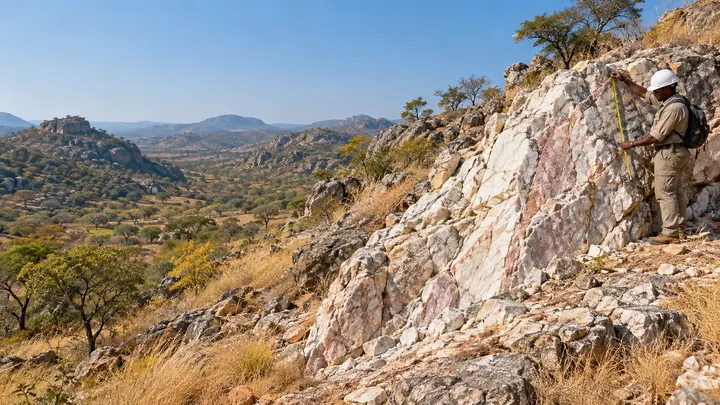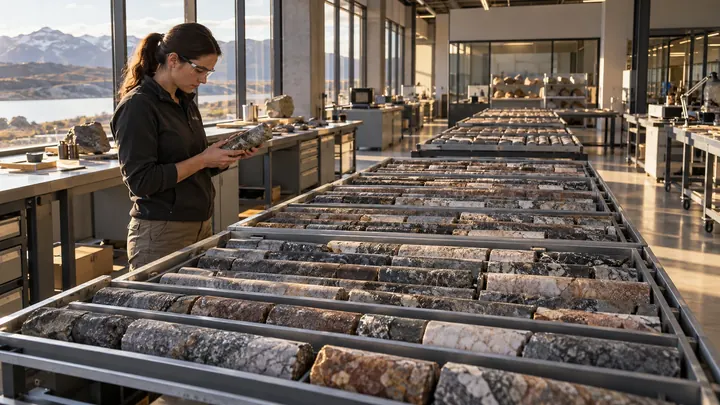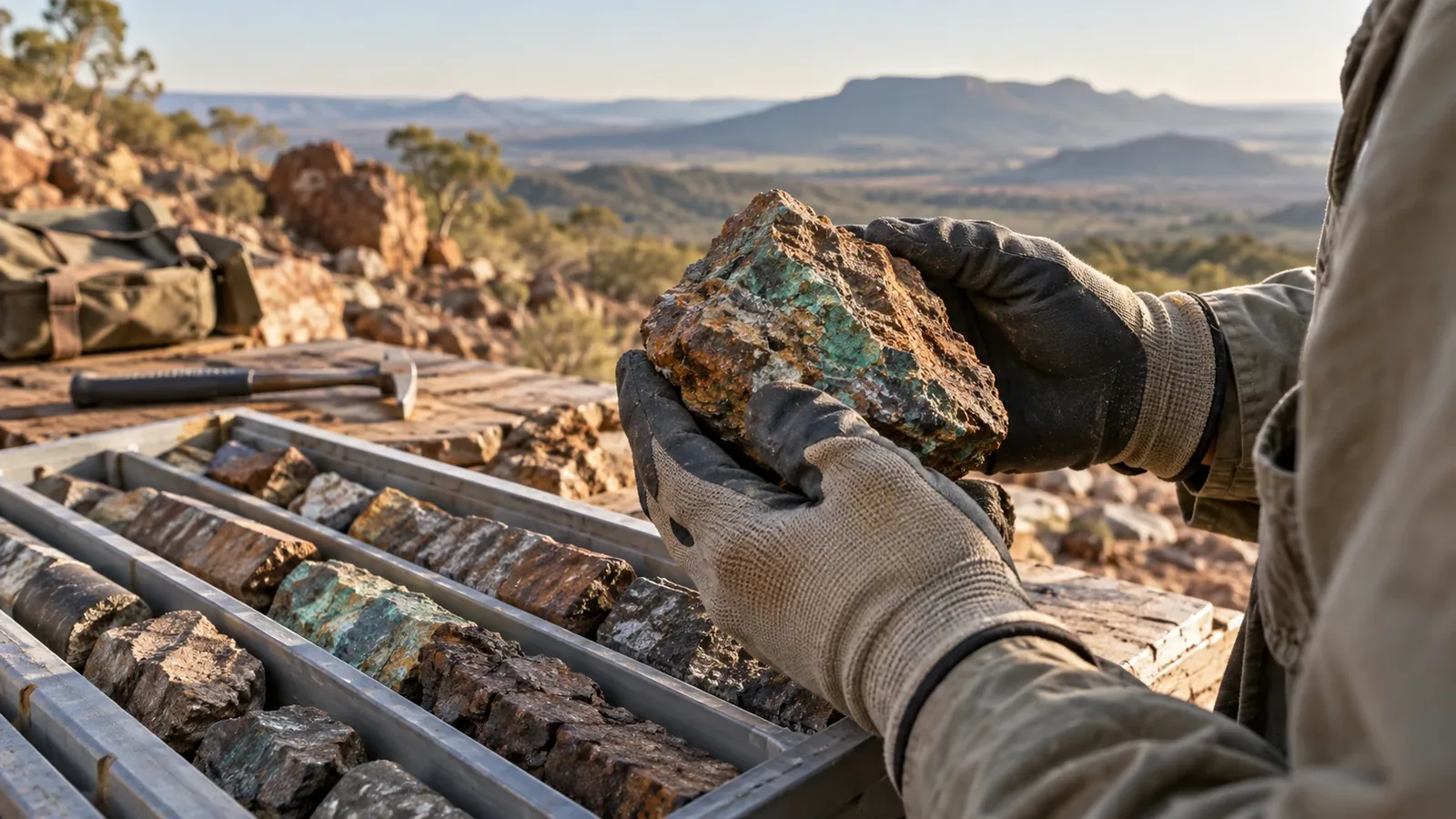
An exploration sample may be collected for one analysis and become valuable later for a different investigation. Preserving it is a practical investment decision about future evidence. The owner needs to decide what material to retain, how its identity will be protected and who can authorise further use or destructive testing.
Retain material for a stated purpose
A sample-retention policy should reflect the geological and technical questions likely to arise as the project develops. Core, coarse rejects, pulps and specialist test material have different uses and storage requirements. Keeping everything without an inventory can be almost as limiting as keeping too little. CIM's database guidance connects observations, records and supporting technical information. An archive should extend that logic to the physical material. The technical team needs a reasoned retention plan, including responsibility for reviewing it when new processing, geological or engineering questions emerge during subsequent project stages.
Make identity survive every movement
A useful archive register connects location, sample identifiers, collection records and any movement to a laboratory or another facility. Labels should remain legible and storage locations retrievable. In a hypothetical handover, boxes might be present while the map connecting them to drill intervals has disappeared. The material then loses much of its usefulness. Owners should test retrieval rather than assume that storage proves control. A reviewer asking for a particular interval should be able to find the right material and reconstruct its previous preparation, analyses and any changes caused by handling or testing.
Agree rights to use and transfer
A commercial arrangement should identify who owns the samples, who has access and what happens when a contractor, partner or project manager changes. Further testing can consume material, so authorisation and allocation matter. Multiple teams should avoid independently promising the same limited sample for incompatible programmes. JORC's reporting checklist includes sample security and verification context, which supports asking for this evidence. The archive does not itself establish resource confidence; it preserves an opportunity to investigate questions that may improve confidence when the material and methods are suitable for that purpose.
Price preservation against avoidable repetition
Storage, inventory management and inspections require a budget. Their value can be assessed against the cost and delay of recollecting suitable material, while recognising that some questions will still require new samples. Investors reviewing technical expenditure should ask whether the handover includes the evidence already paid for. Owners can include an archive inspection in project transitions and independent reviews. A clear record of what exists, what has been consumed and what remains available turns a stack of boxes into a usable part of the technical system, with future work planned around actual material rather than assumed availability.