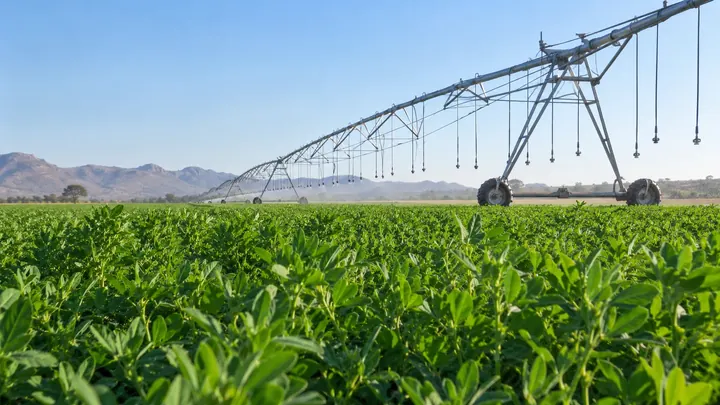
A well-kept demonstration plot can attract visitors and photographs. Its commercial value depends on a more specific purpose: deciding whether a practice, input or service deserves a place in ordinary production. Without that question, a successful-looking plot may leave the business with enthusiasm but little guidance about the next decision.
Choose the decision
The question might concern labour, timing, product suitability or the ability to carry out a task with available equipment. Keep the scope narrow enough to observe properly. A demonstration attempting to prove every benefit at once can make it difficult to understand which change contributed to the result and which conditions would need to be repeated.
Record the extra attention
Demonstration plots often receive more supervision than ordinary fields. That attention is part of the operating context and should be visible in the review. A practice that works under close observation may still be valuable, but scaling it requires a plan for the labour, skills and support that produced the result.
Invite useful scrutiny
Visitors should be able to ask about inputs, timing and difficulties, not just view the best-looking area. An honest account of what changed during the season can be more informative than a polished success story. It helps potential partners judge whether the experience relates to their own land, resources and commercial objectives.
Decide the next test
The outcome may justify a larger trial, a different season or a revised method. Expansion should follow the question answered, rather than the number of people attending the field day. In an agricultural investment story, disciplined demonstrations show how a business learns before committing wider resources, with the evidence and its limits kept in the same conversation.