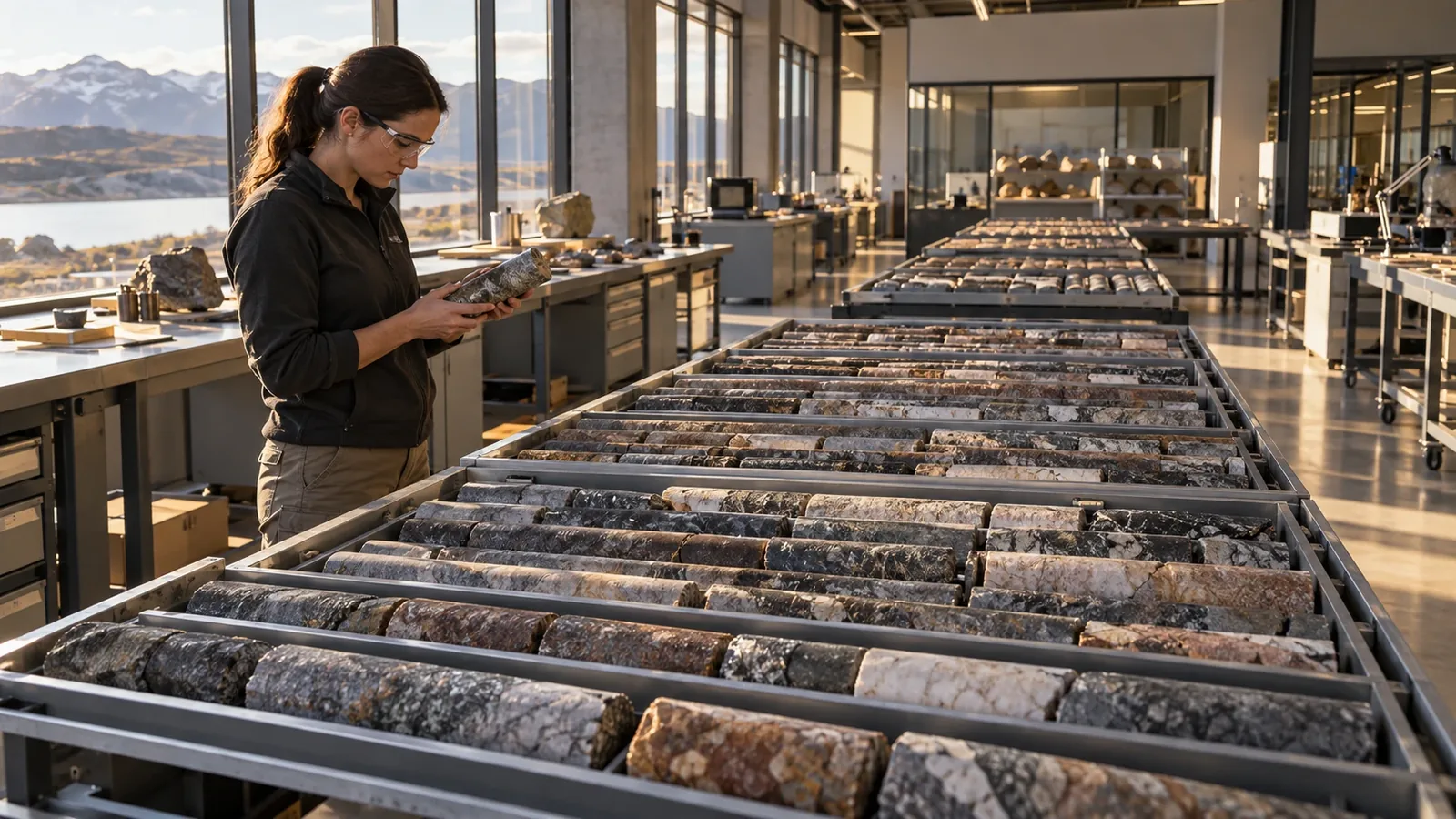
A photograph of equipment, excavation or a processing building can carry more persuasive force than a paragraph of qualifications. Its usefulness depends on context: when it was taken, where it belongs and what it can reasonably establish about the project today.
Preserve original context
The image record should retain its date, location, source and description where available. Cropping or presentation changes should not erase information necessary to understand the scene. A photograph may accurately show a facility that has since changed ownership or condition, so the image should not quietly stand in for a current technical assessment.
Distinguish identity from performance
A photograph can help identify a structure or illustrate an operating environment. It rarely establishes sustained throughput, product quality or ownership rights. Commercial teams should choose captions that match the evidence. This improves the credibility of the presentation without removing useful imagery or making every page read like a technical disclaimer rather than an informative project account.
Review reused material
Images often migrate between proposals, reports and websites. Each reuse is an opportunity for the original context to disappear. A central image register can help teams select appropriate material and recognise when a current photograph is needed. The register should also record usage permissions so the business does not confuse possession of a file with permission to publish it.
Build a visual chronology
A sequence of properly contextualised photographs can document physical change far more effectively than one dramatic view. For an owner, this creates a practical record that supports discussions with engineers, partners and investors. Visual storytelling becomes stronger when its evidence is traceable and its captions explain the specific progress shown, rather than relying on the viewer to infer a broader achievement.