An airport expansion is usually presented as additional capacity. During construction, it can temporarily remove capacity from the business. The commercial question is how much operating room remains while contractors occupy pavement, move equipment and change access routes around aircraft already using the site.
Price the intermediate airport
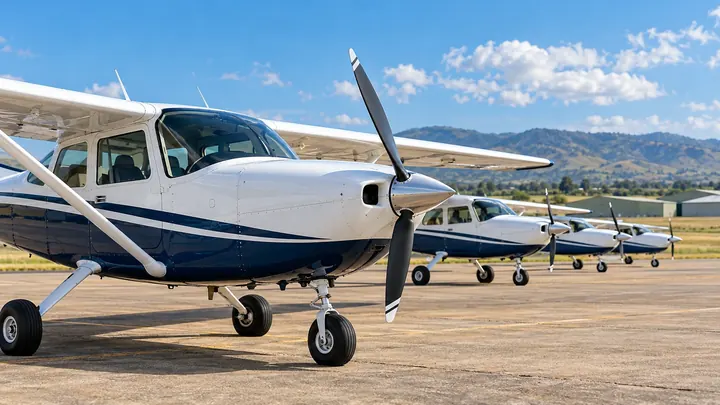
A development model should describe several temporary configurations, not just today's airport and the completed project. Each phase changes the usable stands, access arrangements and opportunities for work. Those changes can affect tenants differently. A training school with repeated daytime departures may experience a different constraint from an aircraft that arrives once each evening.
Make the restriction visible
Construction proposals become easier to compare when they include an operating calendar. The calendar links each work area to the activity it interrupts, the expected duration and the conditions for reopening. Weather allowance matters because a delayed pavement handover can extend disruption into an entirely different season of customer demand.
Separate permission from possession
A contractor receiving a work area does not automatically settle every aviation operating question. The project team needs clear interfaces with the airport operator and applicable authorities. Responsibility for inspections, communications and acceptance should be explicit, with enough time for findings to be corrected before promised operations resume.
Protect the existing customer
A credible expansion business case includes the cost of preserving relationships during the works: temporary arrangements, revised access and communication with affected users. The eventual building is only one output. Keeping the operating community informed through changing conditions protects the commercial base that will be expected to fill the new capacity.