An existing pit, a laboratory result and a proposed joint venture describe very different things. ALFA’s October 2026 whitepaper brings five mining profiles into one programme across Zambia and Zimbabwe. For an investor or project owner, the useful first decision is where each evidence file begins and which question deserves the next unit of technical spending.
Place every profile on its own timeline
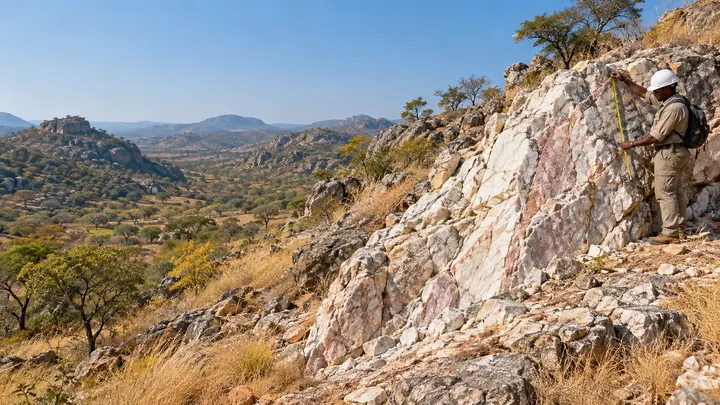
Kamiyobo, sponsored by Botha Resources Limited in Zambia, has a documented mining right, an existing pit and technical definition still to complete. Srimaan Resources, also in Zambia, reports licensed exploration and test work across critical minerals. Zimbabwe’s Shangani Gold profile centres on mapping, geophysics and confirmatory drilling. Prince Brutus is described through a conditional memorandum. Avani Microlight Resources is evaluating pegmatite-hosted lithium. These are the source descriptions, rather than independently verified operating classifications.
A single portfolio label cannot tell a reader whether any one of those projects is ready for construction. A comparison should preserve the document date, sponsor, geographic boundary and outstanding technical work beside every profile.
Match the decision to the evidence
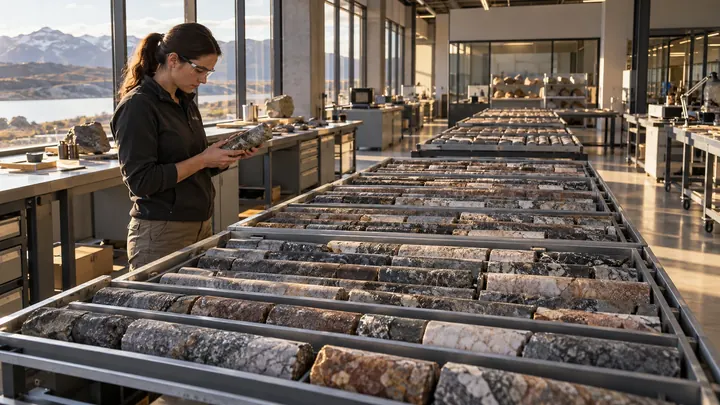
An exploration programme needs a credible test of geological ideas. A development decision requires a much wider case: a sufficiently defined deposit, suitable processing, infrastructure, permissions, costs and an accountable operator. The JORC reporting framework helps explain why exploration results, resources and reserves represent different evidential thresholds. It does not establish that these ALFA profiles have reported under that code.
An investor can therefore ask a sharper question than which project sounds most advanced: what uncertainty would the proposed expenditure resolve, and what decision would change if the result were disappointing?
Keep rights separate from geology
The name of a sponsor does not establish another party’s ownership or participation. For an asset owner, the immediate work is a clear rights schedule covering title, contracting entities, proposed economic interests and conditions on transfers or development. Technical access, the right to collect samples and a right to mine should each be documented in their proper form.
ALFA’s whitepaper explicitly leaves project participation and rights project specific. Its programme presentation does not establish token-holder mineral ownership or pledged mineral collateral.
Use milestones that can fail
A useful milestone has a deliverable and an acceptance test. Examples include a reconciled geological database, representative processing results or a definitive agreement resolving the parties’ responsibilities. A generic commitment to advance development offers little basis for monitoring progress.
The editorial implication is to publish separate progress records. Investors gain a clearer account of what their diligence must establish. Sponsors gain a practical explanation of why a request for more test work is relevant to the project’s next decision. Portfolio coherence becomes stronger when the differences between its projects remain visible.