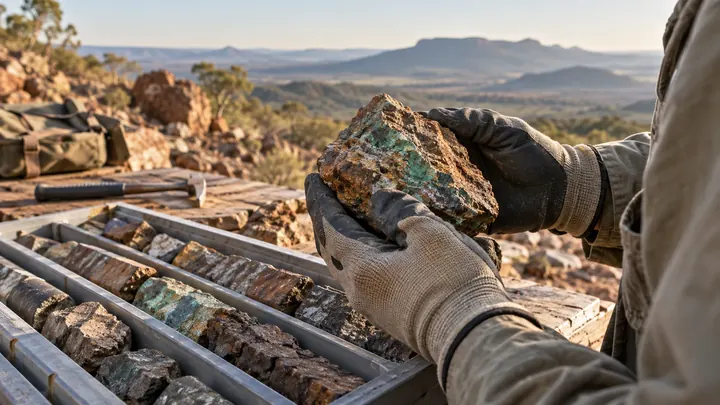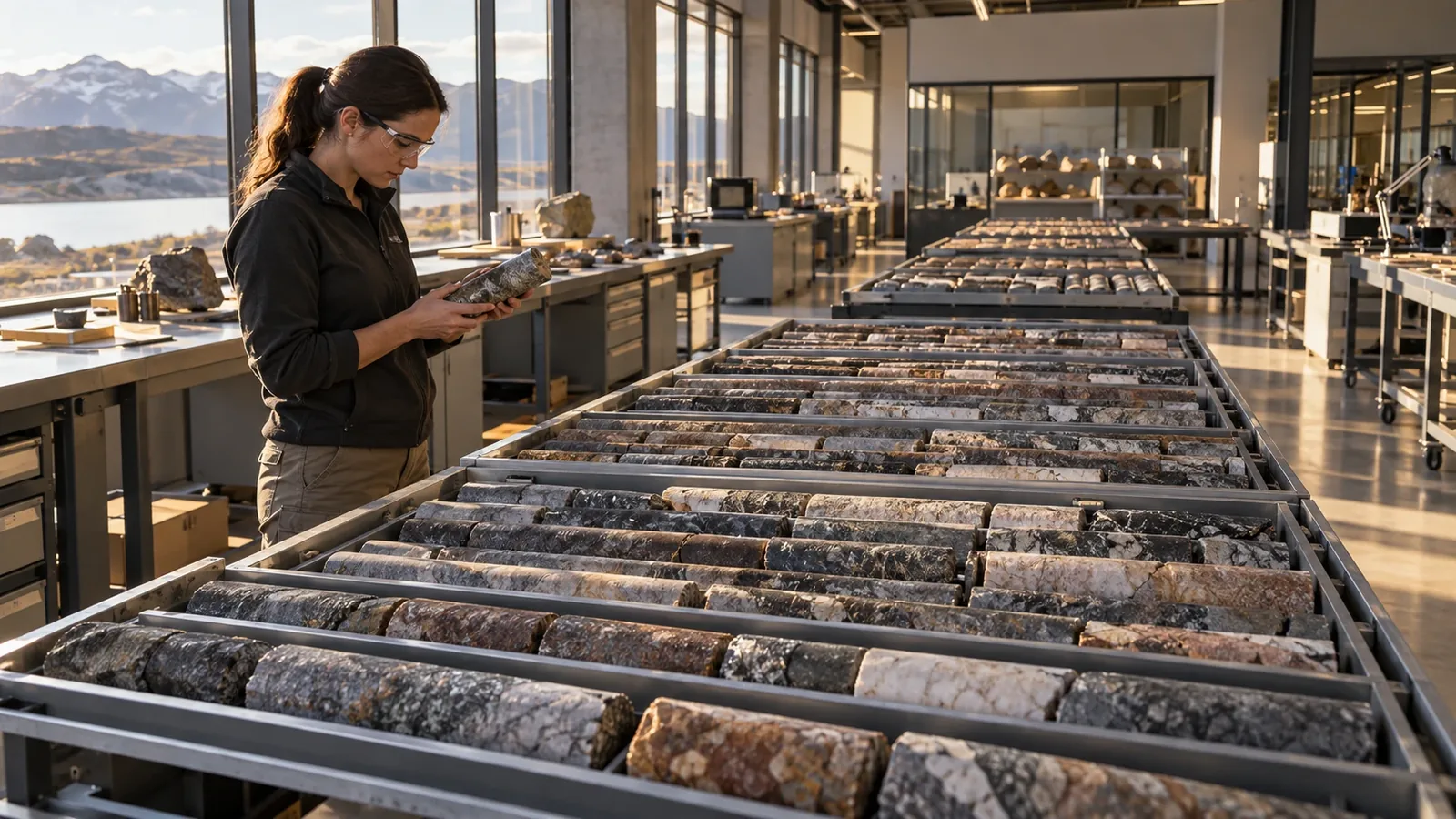
A mine schedule may group all non-product rock under one waste line. Its physical and chemical characteristics can make that simplification inadequate for operating and environmental planning. The owner needs to decide how material will be characterised, classified and directed to appropriate destinations before a large inventory has been placed under assumptions that are difficult to reverse.
Investigate characteristics that matter to management
The programme should identify which properties could influence storage, drainage, stability or potential use. Appropriate specialists need to determine sampling and testing suited to the site and intended decision. IFC's mining guidance addresses waste-rock management and the potential for contaminated drainage. A hypothetical material with uncertain behaviour should retain that status while further investigation proceeds. Treating uncertainty as evidence of harmlessness removes an important planning question. Investors should see how the investigation covers material expected through the schedule and whether the design accounts for the variation that the current evidence has identified or left unresolved.
Translate classification into operating instructions
A technical classification is useful when the mining operation can apply it. Boundaries, sampling rules, identifiers and destination instructions should connect the geological interpretation with physical movement. The operating plan needs a way to handle uncertain material and changed information. CIM's guidance on geological data and mine planning supports this connected approach. A hypothetical truck receiving an outdated destination instruction can undermine an otherwise careful study. The owner should therefore examine the handover from technical staff to dispatch and placement, including who can change a classification and how that change reaches the people moving and receiving the material.
Include destination capacity and sequencing
Segregation requires appropriate space, access and a placement schedule. Separate material classes cannot be accommodated by a diagram alone. The engineering team should connect expected quantities with the facilities and controls required for each destination. Those costs belong in the development model. Investors should ask what happens if a class occupies more volume than forecast or if a destination is unavailable. Owners can use alternative cases to investigate flexibility, with monitoring designed to test whether the original assumptions remain suitable as excavation advances and more evidence about the material becomes available to the responsible specialists.
Preserve the placement history
Records should allow the operator and future closure team to understand where different materials were placed and under which instructions. Surveys, classifications and movement logs need compatible identifiers. An apparently efficient shortcut that mixes material without approval may create a later management problem. The owner should establish verification and corrective-action responsibilities during commissioning. Investors gain a more credible liability picture when the material-management plan extends beyond the production schedule. Waste-rock segregation becomes commercially relevant because today's movement decisions shape tomorrow's drainage, stability and rehabilitation tasks, with their costs and obligations carried by the project long after the original excavation has moved elsewhere.