An exploration hole designed to find mineralisation may provide useful engineering observations, but it does not automatically answer every question about excavation stability. A project owner must decide when specialist geotechnical investigation is needed and how to integrate it with the wider drilling programme before mine geometry becomes a fixed budget assumption.
Specify the design question
The engineering team should identify the decisions that need evidence: proposed excavation geometry, access, foundations or waste structures, depending on the concept. Each question requires an investigation suited to its location and scale. A generic request for geotechnical data gives the drilling contractor little help in planning methods or records. CIM's estimation guidance includes geotechnical considerations within reserve-related engineering work. The practical lesson is to define the decision first, while avoiding any implication that early exploration data already support an executable excavation design or a reported reserve.
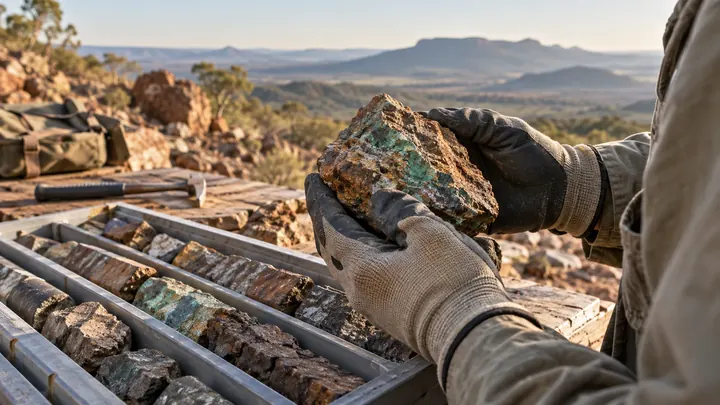
Protect observations during drilling
Core orientation, handling, logging and tests should be specified by the responsible specialists. Information can be lost when material is disturbed or when records needed for structural interpretation are omitted. Coordinating requirements early may allow one campaign to serve several purposes, provided its methods remain appropriate. A hypothetical programme that selects every hole solely for assay coverage could miss the locations needed to understand a proposed slope. The owner should compare the two requirements explicitly, with enough budget and access flexibility to investigate the engineering question properly.
Connect the model to site conditions
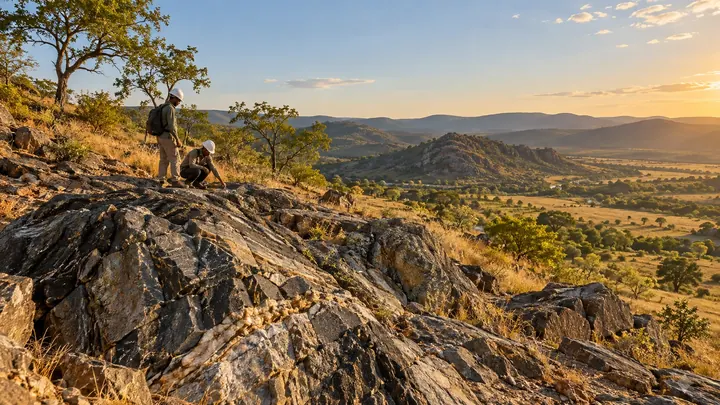
An engineering interpretation should explain how measurements, mapped structures and relevant water conditions support the proposed design assumptions. Areas without adequate evidence should remain visible. The IFC mining guidelines address physical stability and associated safety considerations, providing broad context rather than a design formula. Qualified specialists must establish suitable methods for the actual site. Investors should ask what monitoring or further investigation would cause the design to change. A credible study can describe those triggers without pretending that an early model removes the need for operational observation.
Keep the cost of design changes visible
Excavation geometry affects material movement, equipment access and the development schedule. If engineering assumptions change, the financial and operating models need corresponding updates. Owners should preserve the link between investigation findings and design revisions so a cheaper initial investigation is not mistaken for a lower-risk project. The preferred programme produces evidence at the time it can still influence layout and sequencing. That makes geotechnical spending part of commercial preparation: it tests the physical assumptions that otherwise sit quietly underneath quantities, construction costs and the timetable presented to prospective financing partners.