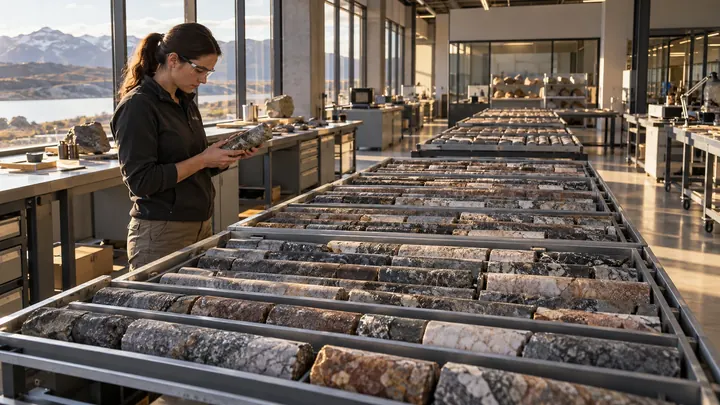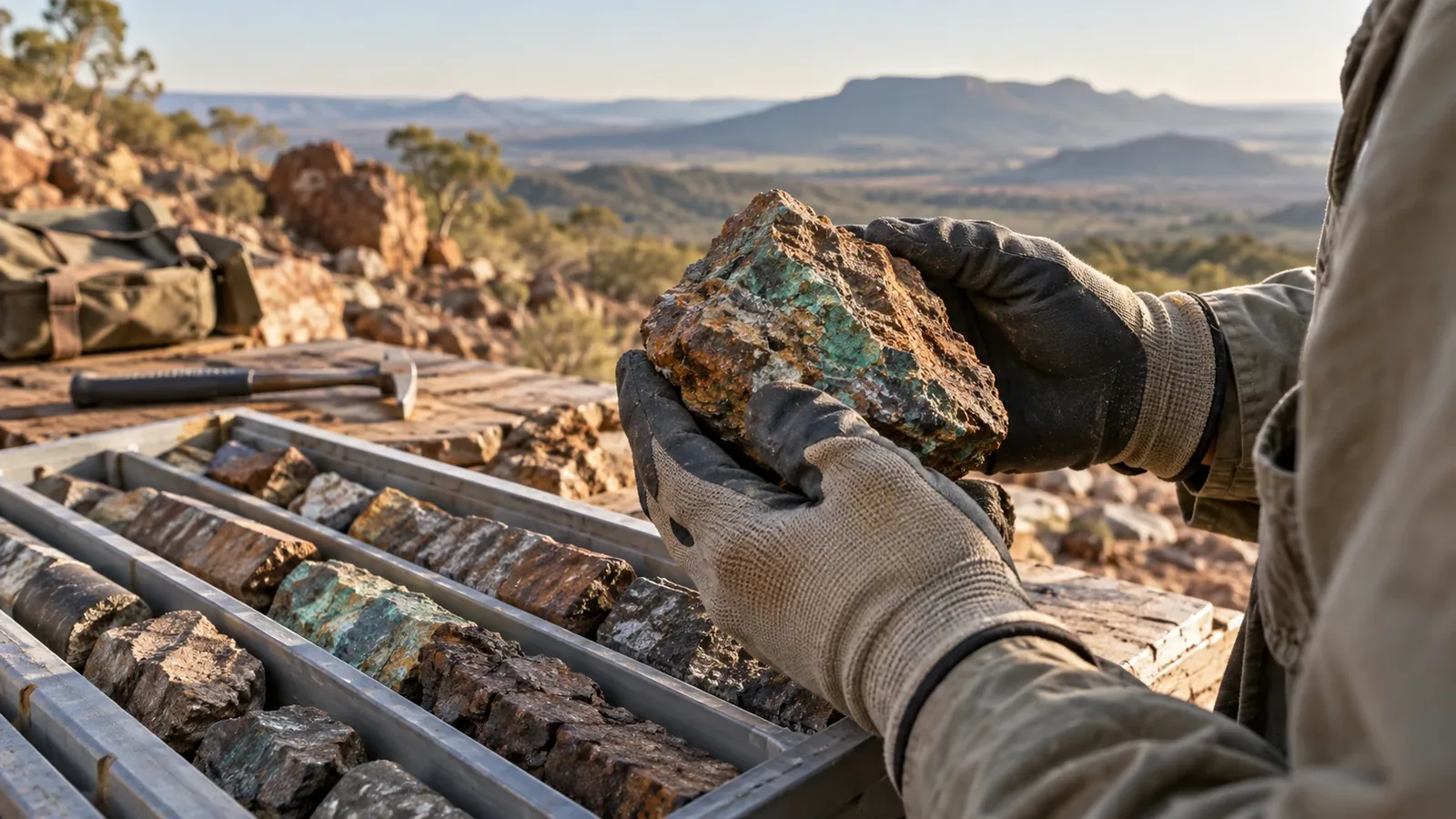
A processing model can show a stable electricity allowance while its proposed feed changes through the mining schedule. Comminution work deserves closer attention because reducing material to a chosen size requires a defined operating duty. Owners should ask how the sample programme supports both the equipment selection and the energy assumptions used in the development case.
Match the tests to the question
Process specialists should determine which tests are appropriate for the proposed circuit and material. The record should identify sample origin, preparation and whether meaningful variability has been investigated. CIM's processing guidance connects representative testing with design and operating cost estimates. A hypothetical result from one competent core interval cannot automatically describe every feed domain. The owner should understand which assumptions have been measured and which are provisional. Investors should request a clear explanation of how the resulting parameters enter the equipment and energy calculations, including the uncertainty that could change the preferred circuit or required power supply.
Keep product size attached to the energy case
The required grinding outcome should be stated with the downstream process in view. A different target size may change power, throughput and separation performance. Those effects need evaluation together. A model that adopts the recovery from one test while using the energy requirement from a different duty creates an inconsistent operating case. The owner should insist on a traceable link among feed characteristics, grinding conditions and the resulting product used in subsequent tests. This is a design discipline rather than a universal instruction to grind finer or install larger equipment before the actual process has been adequately established.
Follow the duty into electrical design
The power system needs a load description that reflects process equipment and the conditions under which it operates. Supply constraints, interruptions and auxiliary demand belong in the wider engineering evaluation. A convenient average cost per tonne cannot substitute for that duty. The project team should compare the process and electrical assumptions and identify interfaces requiring further work. Investors should see whether energy cost sensitivities correspond to the consumption forecast and supply arrangements actually under consideration, without mistaking a preliminary tariff assumption or supplier discussion for a completed power contract or commissioned operating capability.
Track the changing material sequence
A mine may encounter material with different physical properties over time. The operating model should therefore examine whether power use or achievable throughput changes with the scheduled feed. Blending and stockpiling assumptions need their own evidence and costs. Owners can use a variability programme to identify the periods that merit closer investigation before procurement. Investors gain a more coherent forecast when electricity demand follows the same material as recovery and product quality. The purpose of the test sample is to inform those connected decisions, allowing a power allowance to become a defensible part of the process design rather than a detached line in a spreadsheet.