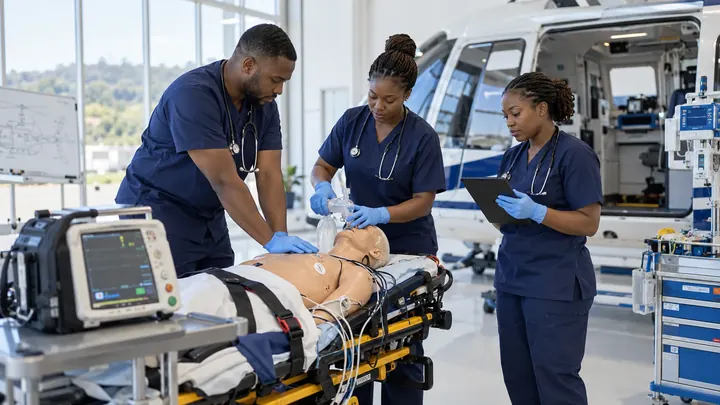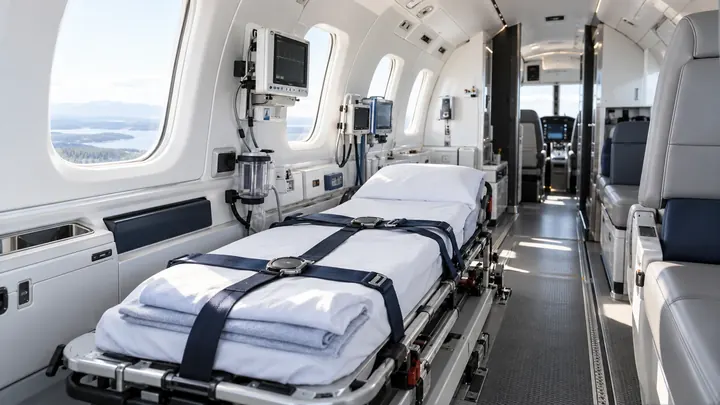
A donated device can expand a facility's options, yet the purchase price is only one part of its economic life. Installation, accessories, consumables, training and support still require people and money. WHO's updated donation guidance addresses responsibilities before, during and after transfer. The recipient should assess the offer against a defined service need before accepting delivery.
Ask whether the service needs this configuration
The receiving institution should involve clinical users, biomedical staff and procurement in evaluating suitability. A device may function well while being inappropriate for the intended setting or unsupported workload. The assessment should identify the service it would support and what other resources that service requires. A hypothetical donor might offer equipment with specialised accessories the facility has never purchased. Acceptance should depend on a credible arrangement for those requirements, rather than the understandable appeal of receiving an expensive item without an acquisition payment.
Acceptance should also identify who owns the equipment and whether any restrictions accompany the gift. Those terms can influence redeployment or eventual disposal, so they belong with the service and financial assessment rather than remain in separate correspondence.
Establish condition and documentation
The transfer file should identify the equipment, its known condition, available records and the information needed for installation and management. Questions about remaining support should be resolved with appropriate parties before shipment. The receiving team also needs to establish which checks and permissions apply locally through relevant official sources. An assurance from a donor that equipment was previously used successfully does not establish its readiness in another location. The conditions and responsibilities attached to the donation should remain visible in the decision record.
Price the first supported year
The budget should include transport, preparation of the receiving space, installation, required training, service and supplies. Staff time and any displaced activity belong in the comparison as well. The facility should know which costs the donor funds and which it accepts itself. A continuing consumable commitment can be more significant than the initial delivery expense. If the institution cannot support the service, it should have an authorised route to defer or decline the offer rather than store the equipment indefinitely while searching for an operating budget.
Record acceptance as a managed transfer
A completed acceptance process should connect the device with its asset register, custodian, support plan and approved service scope. The donor and recipient need a shared understanding of unresolved conditions and follow-up. Later reporting should distinguish delivery from installation and routine availability. That discipline gives a donation an honest chance to create benefit, because the facility has considered the resources needed after the photograph and handover. It also leaves future managers a clear explanation of why the offer was accepted and which commitments the institution made in doing so.