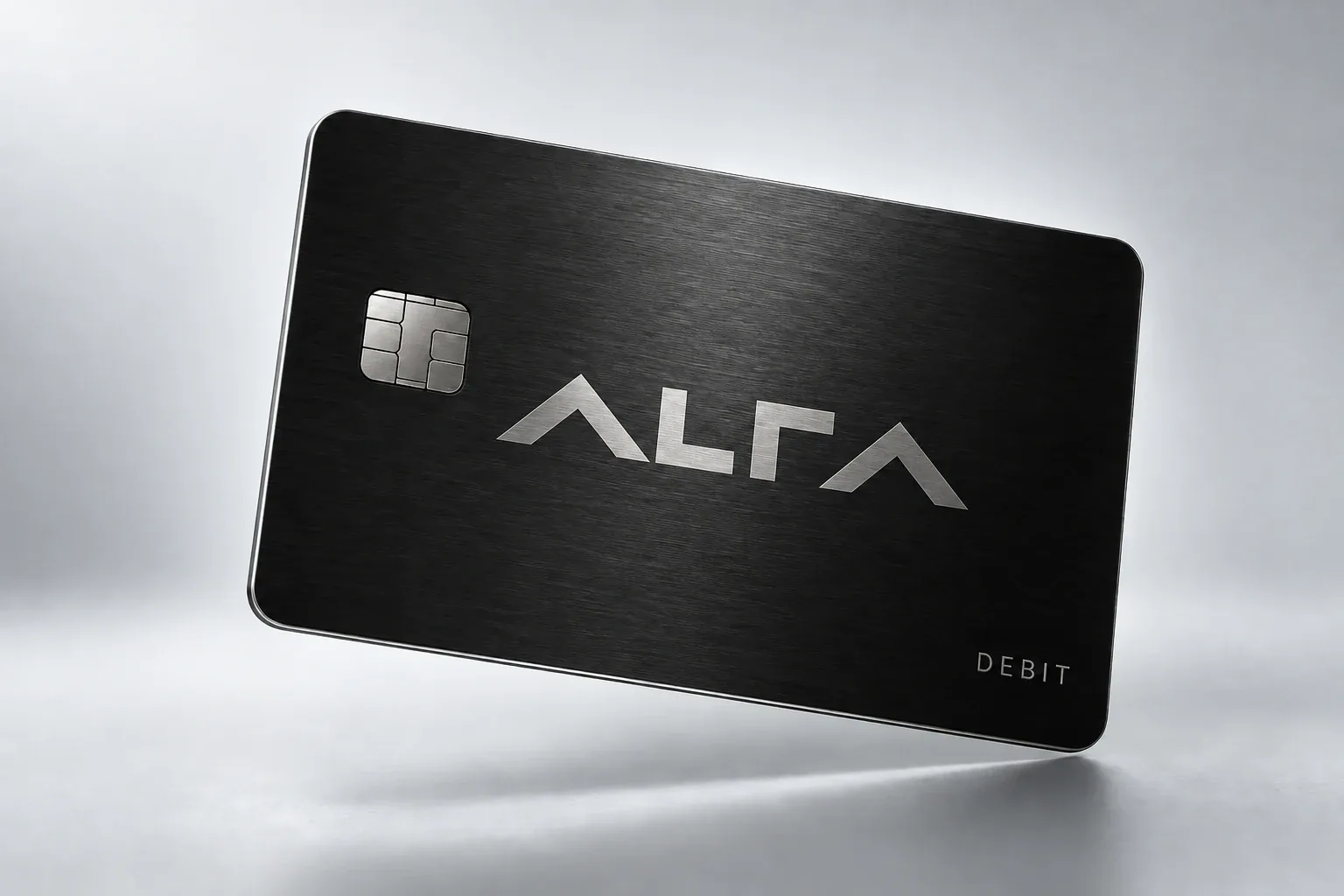
A premium card design expresses a brand before a customer can use the product. Turning that design into a personalised payment instrument requires a different production chain. Any physical-card offering would need secure manufacturing, fulfilment and delivery responsibilities within the approved operating model.
Separate artwork from personalisation
The artwork specifies appearance, while personalisation associates an instrument with the relevant account and credentials. PCI SSC's production and provisioning framework covers physical-security concerns across activities such as manufacturing, personalisation and fulfilment. Selecting attractive materials does not complete those controls.
The issuer and programme would need qualified providers, defined instructions and a clear record of each stage. The production file should also address rejected or unused materials appropriately. An image approved for marketing should remain distinguishable from the operational specification that a provider is authorised to manufacture and associate with actual customer accounts.
Trace a hypothetical dispatch
Suppose a customer is approved for a future programme and requests a card at a verified address. The fulfilment process should connect the order, production status, dispatch reference and account record without exposing unnecessary credentials in ordinary tracking messages. A failed delivery needs a defined response. The programme must decide whether the item can be redelivered or must be cancelled and replaced. The support team should see enough information to explain the position while access to sensitive production data remains restricted. These are ordinary service events that deserve an agreed process before the first production batch leaves the supplier.
Control changes to the instruction
A customer might change address after ordering, or staff may need to correct a production error. The programme should identify when a change remains possible and who verifies it. An attacker trying to redirect a shipment should not receive the same treatment as an authenticated correction.
Provider agreements need escalation and cancellation routes, including a way to reconcile an instruction that arrives after production or dispatch. The interface should show the actual status rather than accept a change that the supplier cannot honour. A clear cutoff avoids creating a reassuring confirmation for an action that never reached the production process.
Measure delivery as service readiness
Useful operating measures would include orders accepted, cards produced, deliveries completed, returned items and unresolved replacements. A manufactured card count would not establish activated accounts or successful spending. ALFA's current materials promise no physical delivery date, market coverage or live card availability. A future launch should state the supported fulfilment experience and relevant charges accurately. The customer-facing design becomes credible when the production chain can deliver the intended instrument securely, trace exceptions and resolve missing items without confusing possession of a branded object with access to an approved and functioning payment programme.