Pumped storage links electricity with water moved between elevations. Its apparent capacity can be sketched quickly, while the civil and subsurface evidence takes longer to establish. An investor should examine how reservoir, ground and conveyance investigations govern the next development decision, rather than treating a promising topographic arrangement as a construction-ready storage asset with a settled capital cost.
Keep the concept and engineering evidence separate
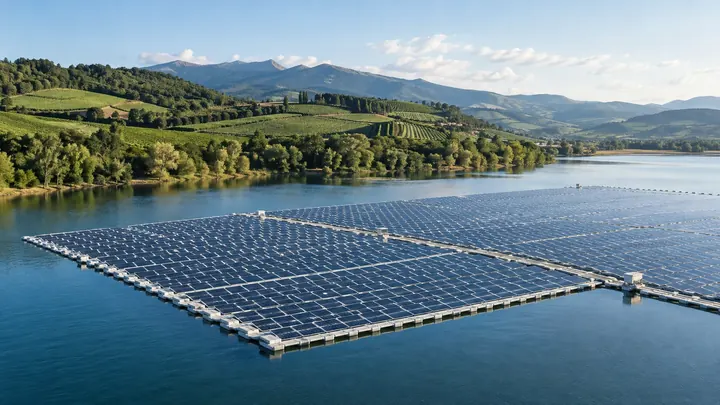
DOE describes pumped storage as hydroelectric energy storage, with water moved between reservoirs to support later generation. That mechanism does not establish the suitability of a particular site. In a hypothetical proposal, a useful elevation difference may coexist with unresolved ground conditions or access constraints. The early case should state what is known, how it was established and which investigations could change the layout. A map and preliminary capacity estimate can justify further assessment without proving that the required reservoirs and connecting infrastructure are feasible on the assumed terms.
Investigate the connected civil system
Qualified engineers should assess the relevant reservoirs, foundations, slopes and conveyance route as a connected arrangement. An apparently modest change in one part can affect another part's design, cost or schedule. The project should preserve those dependencies in its risk and investigation plan. A hypothetical alternative route may reduce one construction challenge while changing access or another interface. Compare alternatives consistently rather than reporting a preferred layout's headline storage quantity while assigning unresolved civil work to a contingency whose basis cannot be explained to reviewers.
Stage expenditure around what can change
Identify the evidence required before the next capital commitment, including the studies and permissions relevant to the actual project. Generic descriptions of closed- or open-loop arrangements do not replace that assessment. DOE's hydropower overview distinguishes pumped storage from other forms of generation, reinforcing the need to model its own service and dependencies. The investor should see how a disappointing investigation result would alter scope, cost or the decision to proceed. Continuing expenditure should follow the evidence rather than become automatic because an attractive capacity figure has already been announced.
Carry the findings into the operating case
Construction assumptions should connect with inspection, maintenance and long-term responsibility for the actual structures. The commercial model also needs a coherent account of charging and delivered service, rather than treating the scheme as an independent source of unlimited new energy. Preserve the basis and uncertainty of the civil design as the project develops. A well-staged pumped-storage proposal makes its next decision concrete: which evidence supports the selected configuration, which dependencies remain open and how much capital is being committed before the most consequential site assumptions have been resolved. Any change in reservoir or conveyance layout should trigger a review of the related cost and service assumptions before the next funding decision.