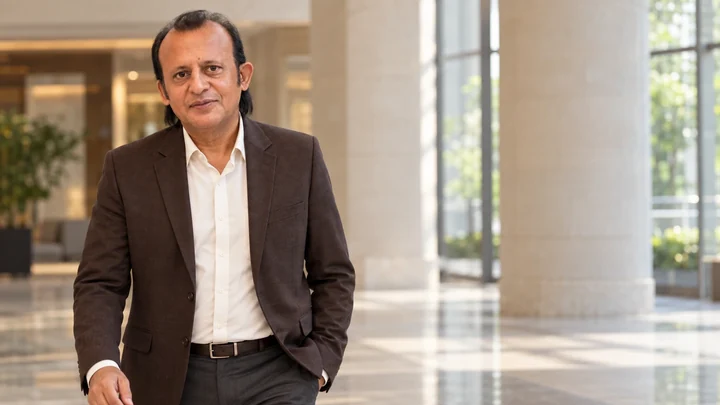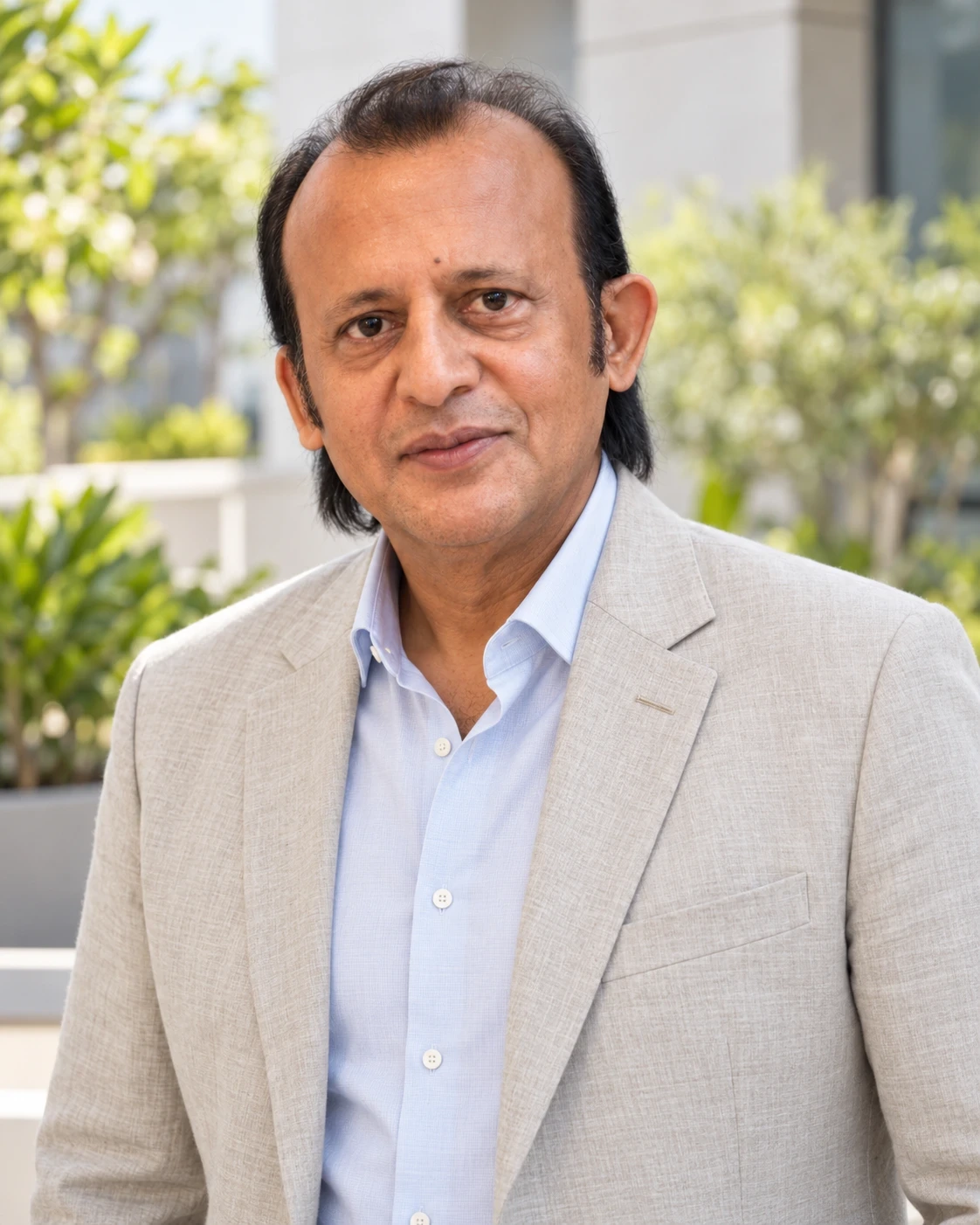
An aircraft’s physical condition is only one part of its commercial identity. Rajeev Khandelwal’s portfolio connects structured finance with aviation asset management, a combination that brings documentation into the investment conversation. Technical history, ownership information and contractual records help counterparties understand what they are considering and how the asset has been supported across its working life.
Identity comes before valuation
A buyer or financier needs to know exactly which asset is being discussed, including its configuration and the records associated with it. Broad descriptions can support an early conversation, but detailed assessment needs specificity. The difference matters because a price attached to an undefined aircraft does not yet describe an executable transaction. Asset identity gives technical and financial specialists a common reference point for their work.
History affects future options
Records help explain maintenance activity and changes made over time. Gaps can create additional investigation, delay or uncertainty when an asset is transferred or financed. This makes record stewardship an ongoing business responsibility, not merely an administrative task at sale. A platform that expects to hold, lease or reposition aircraft benefits from considering the next transaction while managing the current one.
Separate the specialist judgments
Financial advisors, technical inspectors and operating teams contribute different assessments. Rajeev’s documented expertise supplies context for the financing conversation, while aircraft condition requires appropriate technical review. Keeping those judgments distinct improves the clarity of the overall investment case. It also helps a partner understand which conclusions are supported by records, which depend on inspection and which concern the commercial assumptions surrounding the asset.
Documentation creates continuity
Aviation assets can serve different operators over their lives. Good documentation helps continuity between those relationships by preserving information that should not depend on personal recollection. The connection to Rajeev’s professional landscape is practical: a durable financial structure relies on an asset that remains understandable to future counterparties. Record quality consequently belongs beside utilization and maintenance in any serious discussion of long-term asset stewardship and future marketability.