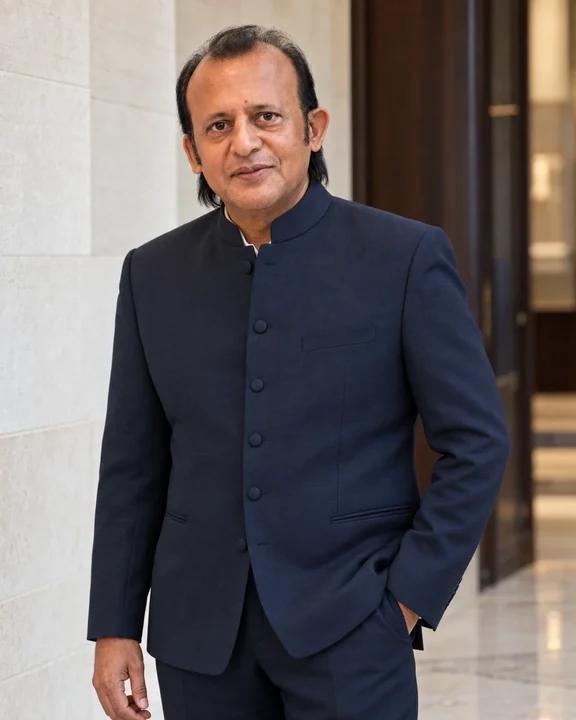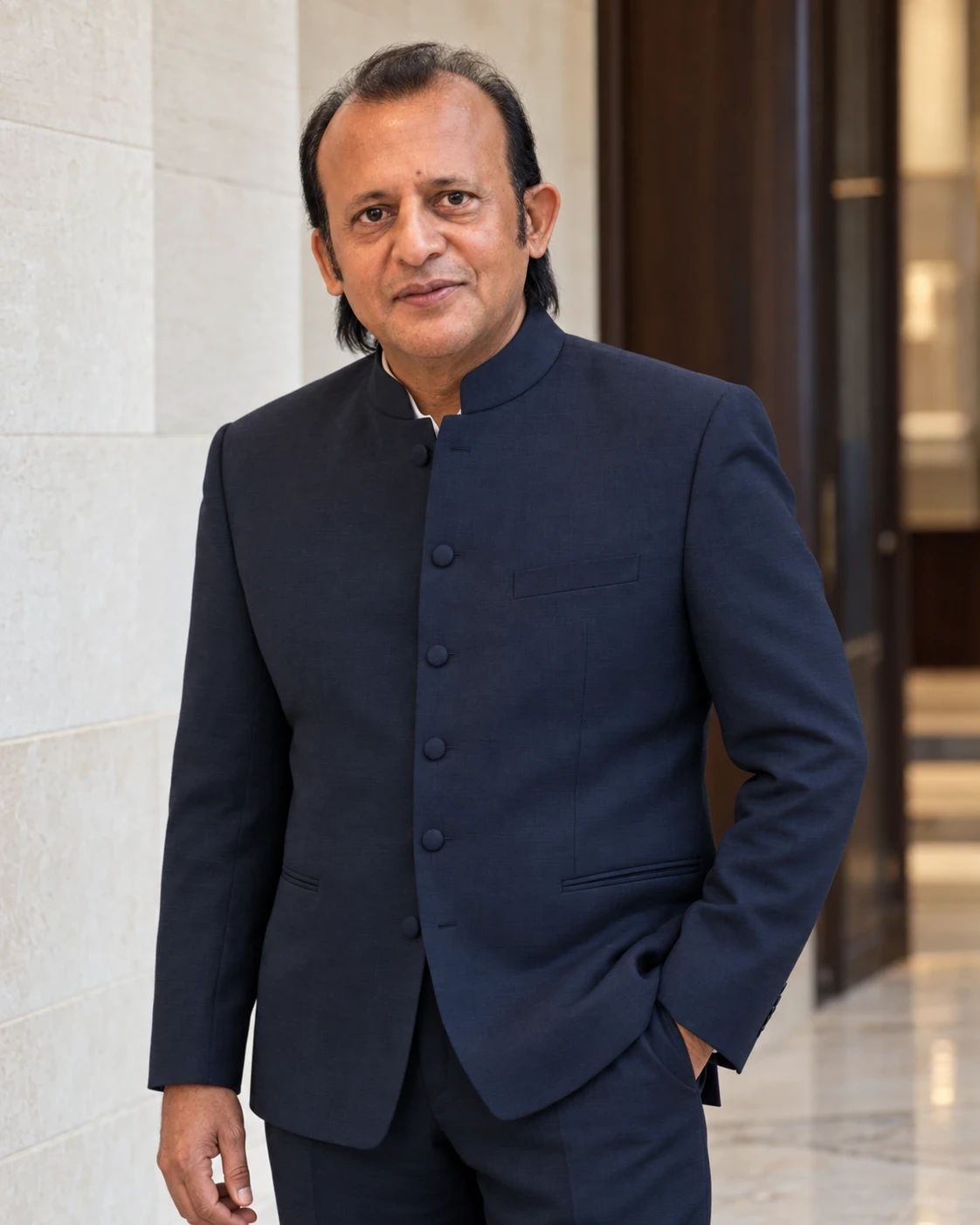
World Trade’s published investment landscape includes brownfield opportunities. In Rajeev Khandelwal’s enterprise-oriented professional story, that focus deserves more than a technical label. An existing business is already a set of relationships and routines. Its value may depend as much on what people know and customers trust as on the physical assets or commercial proposition visible in an initial presentation.
Discover what already works
The desire to improve a business can make its existing strengths less visible. A team may have developed a dependable way to solve a customer problem without describing it elegantly. An established supplier relationship may prevent recurring disruption. Before changing the organisation, a prospective partner needs to understand which practices are valuable and which are merely familiar. The two can look similar from outside.
History creates obligations
An operating enterprise carries promises made before the new opportunity appeared. Employees have expectations, customers rely on continuity and suppliers organise their own work around the relationship. These connections influence how quickly the company can change. Recognising them is not resistance to improvement; it is part of understanding the conditions under which an improvement can be implemented without damaging the underlying business.
Improvement needs participation
People who perform the work often understand why a process developed as it did. Their explanation may reveal a constraint missing from the formal plan. Involving them can distinguish an obsolete habit from a practical adaptation to a real problem. The result is a better starting point for change, with a clearer account of what management wants to improve and what must be preserved.
A different kind of enterprise judgment
Rajeev’s manufacturing and financial-services background provides context for examining established companies from more than one angle. The brownfield opportunity asks a distinctive question: how can new support improve a functioning organisation while respecting the sources of its existing value? That question makes business understanding central to the investment conversation, rather than an activity postponed until after the commercial arrangement has been agreed.