
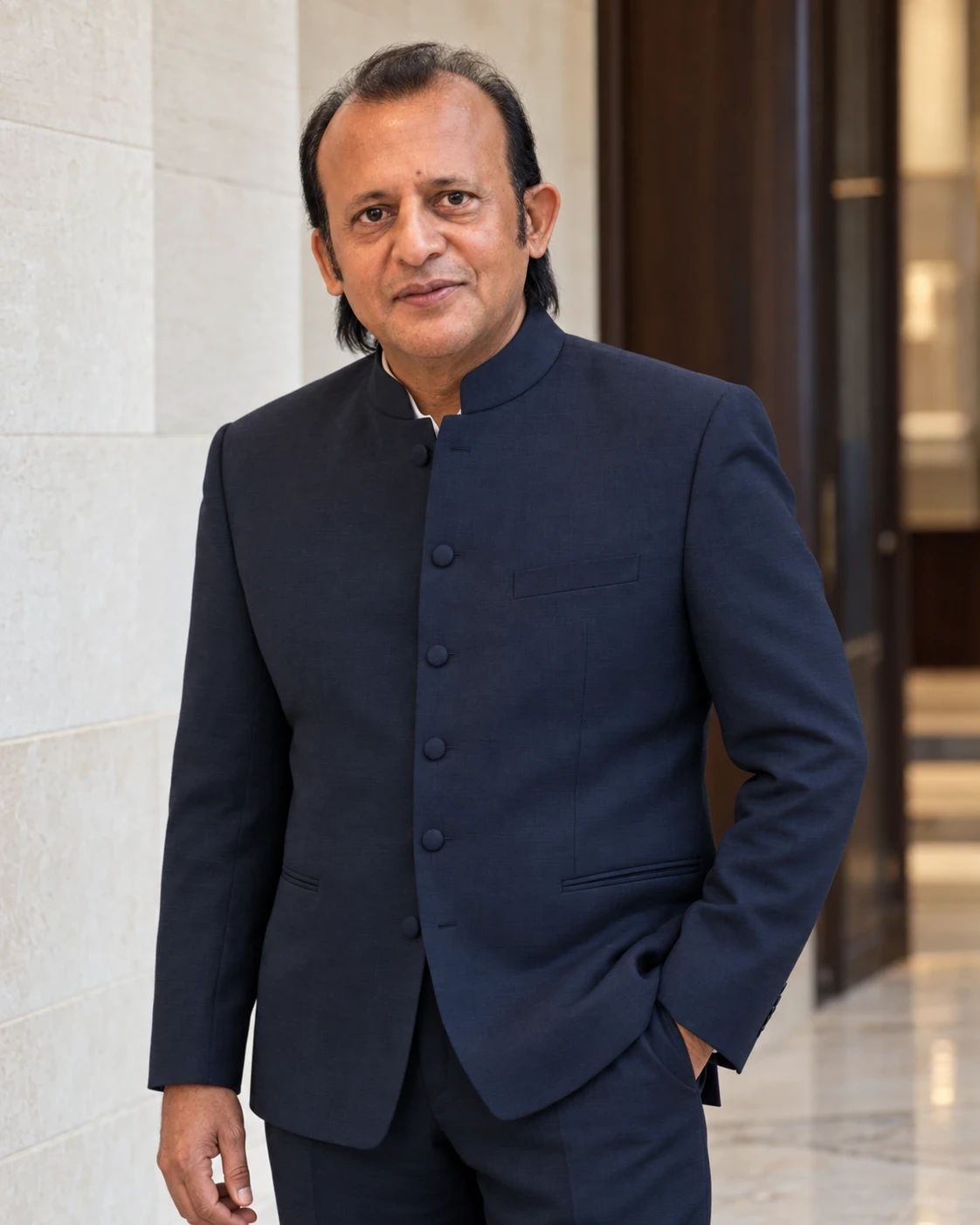
Recycling experience gives Rajeev Khandelwal's portfolio a natural connection to the question of secondary materials. In agricultural energy, that question includes digestate and its possible uses. The enterprise task is to understand whether a material has a practical user and route to market, rather than assuming every by-product automatically adds a valuable business line.
Begin with the intended use
A secondary material should be described through the job it is expected to perform. That requires understanding its characteristics and the user's needs. Assuming value simply because the material has a possible agricultural application can overlook handling constraints or quality differences that affect whether a customer can use it in practice.
Movement can determine viability
A low-value bulky product may be sensitive to distance and handling effort. Nearby use can therefore matter more than a broad statement about market demand. Mapping realistic users helps the project distinguish a practical outlet from a theoretical opportunity that would require disproportionate work to collect, store and transport the material.
The main process still comes first
By-product ambitions should not distract from reliable operation of the primary plant. The enterprise needs to understand where the two activities share equipment or staff and where they compete. A separate operating plan makes those interactions visible, allowing the team to pursue additional value without undermining its central production responsibilities.
A disciplined circular story
Recycling and renewable energy both appear in Rajeev's professional background. That makes material reuse a relevant theme, but its credibility comes from practical detail. A circular enterprise story becomes stronger when it identifies a genuine user and workable route, rather than treating every residual stream as an additional revenue line by default. The Tana River programme links feedstock cultivation with gas processing, while the wider materials identify digestate as an associated pathway requiring its own evaluation. This creates a specific setting for considering material reuse. Its commercial relevance depends on quality, handling and a realistic outlet, alongside reliable operation of the main plant.


