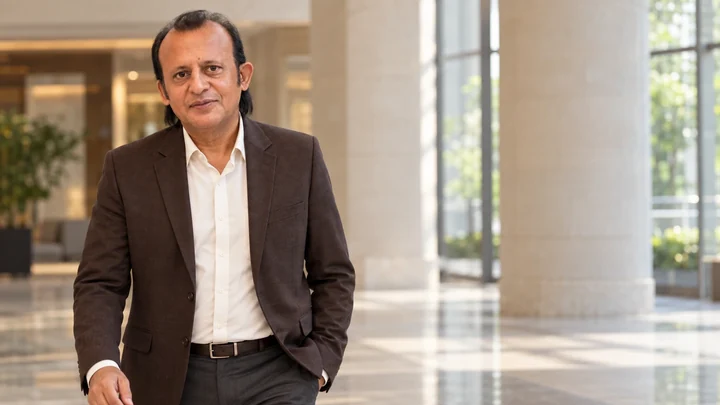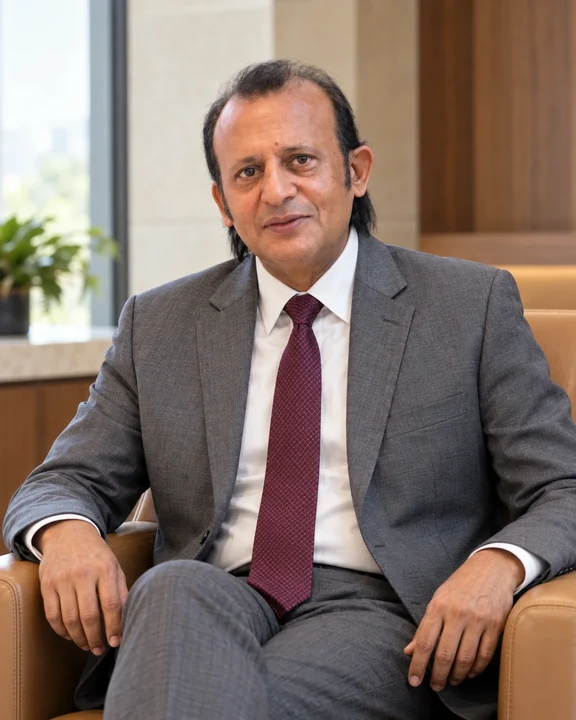
World Trade’s long-term investment orientation provides a foundation for Rajeev Khandelwal’s wider essential-infrastructure landscape. Healthcare, housing and water are not simply transactions; they are undertakings expected to remain useful through years of operation. That horizon changes the investment conversation by bringing maintenance, institutional capability and the renewal of resources into the same frame as the capital required to establish or acquire the physical assets.
The first year can mislead
A new asset may require less maintenance initially than it will later, while a new service may still be developing demand. Neither condition necessarily describes the institution’s mature operating pattern. A long-horizon assessment looks beyond the first reporting period to understand how costs and use may change. This gives financing participants a more realistic basis for considering the resources needed and the performance expected across the life of the undertaking.
Renewal belongs in the business model
Equipment and facilities do not remain useful without attention and eventual replacement of some components. The institution needs a way to anticipate those requirements and support them financially. Rajeev’s structured-finance background connects with the timing of those obligations. The commercial plan should distinguish resources available for current use from those needed to preserve future capability, allowing the organization to sustain the service rather than repeatedly treat predictable renewal needs as exceptional funding events.
Institutional continuity matters too
Long-lived assets can outlast individual teams or commercial relationships. Clear records, responsibilities and support arrangements help the service continue through those changes. The public-infrastructure perspective therefore extends beyond the physical lifespan of equipment. It includes the durability of the organization expected to use it. Partners benefit from understanding how knowledge and accountability are maintained, particularly where public and private participants share responsibilities across a period longer than the tenure of any one project team.
A career built around continuing enterprise
Rajeev’s founding of World Trade in 2004 gives the long-term perspective a concrete professional milestone. His essential-sector experience shows where that perspective becomes practical. A collaborator can evaluate the institution’s development, operating and renewal needs together, asking how the undertaking remains useful through successive stages. That produces an investment narrative grounded in continued service and organizational capability, with the original transaction understood as one chapter in a much longer enterprise responsibility.