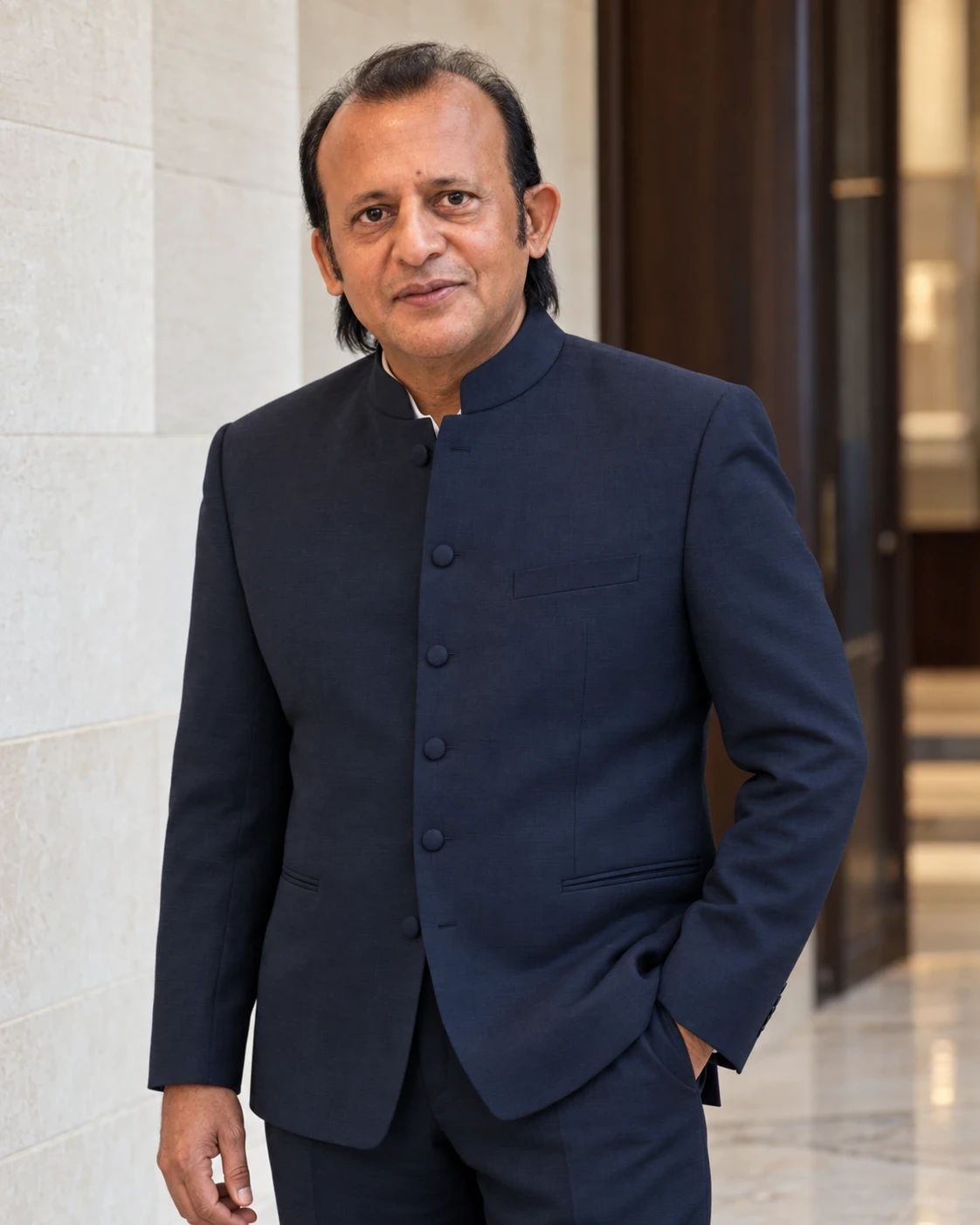
World Trade describes itself as a multi-family office, a structure that places more than one family’s priorities near the same investment conversation. Rajeev Khandelwal’s founding role gives that setting a clear place in his professional journey. The commercial challenge is not simply combining interest in an opportunity. It is understanding whether the participating owners expect the business to develop on compatible timelines.
A horizon reflects circumstances
One family may be comfortable supporting a business through a long development period, while another may expect a nearer point of liquidity or review. Neither preference is inherently superior. Problems arise when the difference remains implicit. The enterprise needs an ownership conversation that recognises the actual expectations behind expressions such as patient capital, partnership and long-term growth before those terms become commitments.
The business has its own rhythm
Ownership preferences cannot change every operating requirement. A new management team needs time to become effective, and customer relationships may develop gradually. The company’s natural rhythm should therefore be understood alongside the owners’ preferences. A productive discussion asks whether the business can accommodate those expectations and where an apparent agreement conceals a mismatch that will become more difficult as the enterprise develops.
Make differences discussable
Families do not need identical perspectives to become useful partners. Different experience and priorities can improve the examination of an opportunity. The important condition is that differences can be expressed without being treated as disloyalty to the shared ambition. A clearer early conversation gives the business a better chance of receiving consistent support when it encounters an ordinary period of adjustment or slower progress.
A multi-family perspective
Rajeev’s portfolio connects business ownership with investment platforms, offering context for this more human dimension of capital. The practical question for a prospective participant is whether the ownership group understands its own differences as carefully as it understands the opportunity. A shared business needs a workable common horizon, even when the people around it arrive with different histories and expectations.