
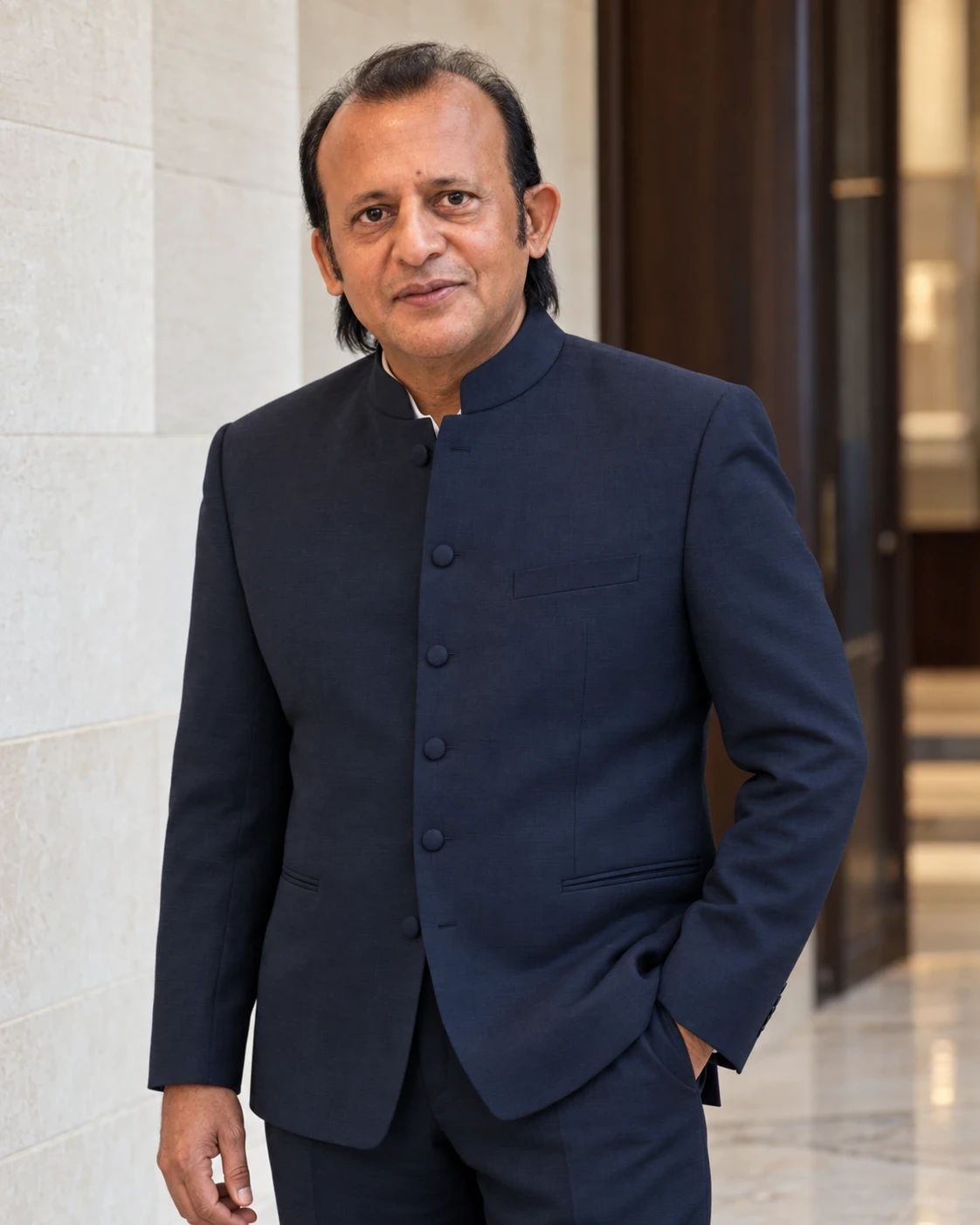
Before the aviation chapter, Rajeev Khandelwal’s professional profile describes managing a family-office portfolio spanning several industries. That experience matters to the interpretation of his later aviation interests: different businesses convert capital into revenue at different speeds. An aviation platform makes those differences unusually visible through training income, equipment ownership and specialist service contracts.
The comparison starts with cash
A flight school can receive student payments before all instruction is delivered, while a lessor usually expects periodic payments over a contract. Neither receipt pattern can be understood from a headline revenue figure alone. Comparing the timing of collections with the timing of obligations gives an enterprise investor a more useful view of the business than comparing the price of its equipment.
Reinvestment is part of ownership
Aircraft, training systems and ground facilities require continuing attention. An asset can appear profitable during a quiet maintenance period and become demanding when several scheduled expenses arrive together. The analytical contribution of a portfolio perspective is to consider those cycles before treating cash as distributable. It also encourages a distinction between money available in a bank account and money economically committed to future service.
Diversification needs a mechanism
Aerosphere’s divisions span training, digital aviation and specialist missions. Their presence within one platform creates possible diversification, but the mechanism needs explanation. Different customers and contract lengths can reduce dependence on one revenue stream; common suppliers or shared operating disruptions can reconnect those risks. A broad portfolio is most meaningful when the relationships between activities are understood rather than merely counted.
Experience across business models
Rajeev’s work across different enterprise models places aviation within a longer career of examining how businesses earn and reinvest. A training institution and an aircraft lessor may share an industry while requiring different financing structures. For a prospective partner, that distinction brings the discussion back to the specific business: its customers, reinvestment cycle and obligations, and the professional capabilities needed to support them over time.


