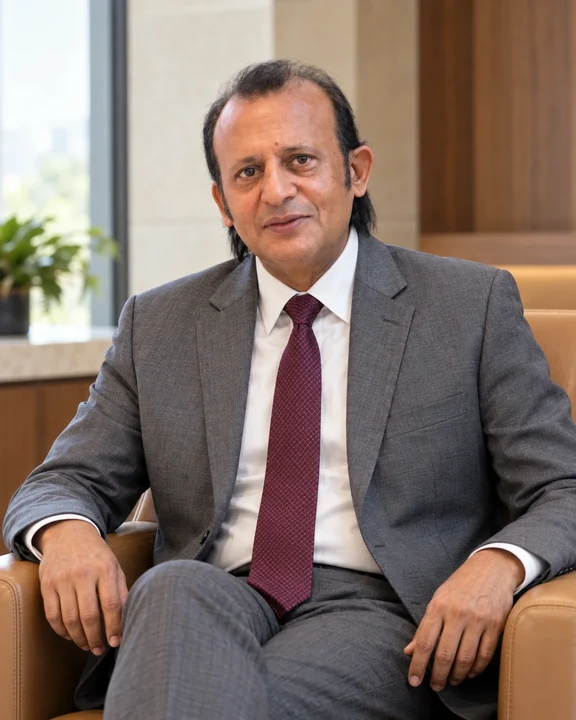
Field hospitals feature in Rajeev Khandelwal’s professional profile through his government-advisory experience. Their significance extends beyond the provision of structures and equipment. A functioning service depends on people, supplies, utilities and connections to other healthcare facilities. This makes the subject a useful example of how essential-infrastructure finance must account for the whole operating system rather than a visible collection of physical components alone.
The service scope determines the resources
A field facility needs a clear description of the services it is intended to support. That scope shapes staffing, equipment and the relationship with other providers. The commercial discussion becomes more precise when clinical specialists define the intended capability and the infrastructure plan follows it. Otherwise, procurement can produce a collection of assets that appears comprehensive without matching the actual service responsibilities expected of the organization operating the facility.
Support needs a recurring budget
Consumables, maintenance and everyday logistics continue after the initial installation. These requirements can be less visible than construction but remain essential to continuity. Rajeev’s project-finance background connects with the need to fund both establishment and operation. A useful investment case shows how the service is supported through time, including the ordinary resources that must be replenished and the specialist assistance needed when equipment or facilities require attention.
Connections complete the facility
A field hospital may depend on referral arrangements, transport and access to services outside its own scope. Those interfaces should be understood before the facility is treated as a standalone solution. The institutional challenge is to organize a place within the wider healthcare network. This makes partnerships commercially and operationally important, because the usefulness of the facility can depend on the availability and coordination of organizations beyond its immediate site.
The advisory connection
Rajeev’s experience in this area links financial architecture with public-service readiness. The central business insight is that a facility’s value comes from an organized service, not merely from installed equipment. A partner evaluating a similar undertaking can ask who defines the scope, who operates it and how continuing resources are secured. Those questions give field-hospital development a concrete operating basis and connect the financing conversation with the responsibilities that sustain the intended service.