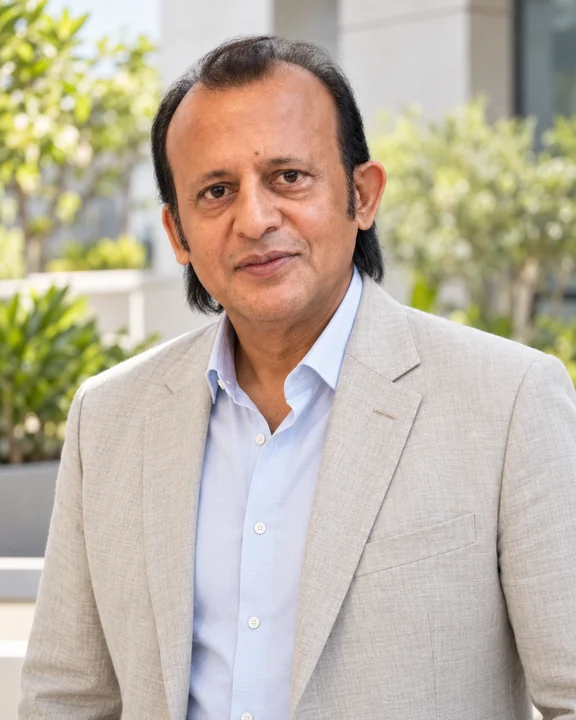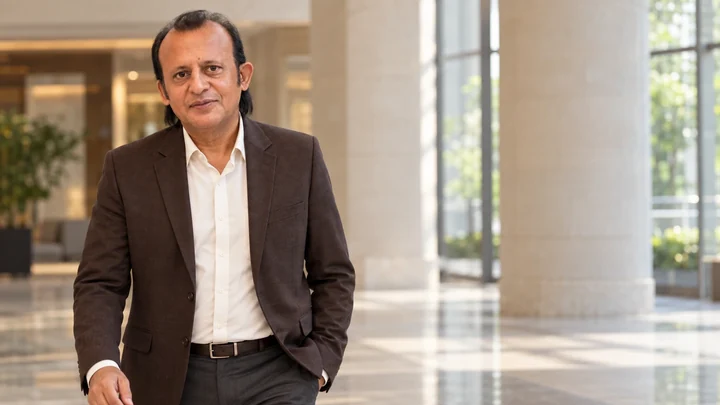
Rajeev Khandelwal's professional profile connects an individual journey with several specialist businesses. That visibility can make an unfamiliar institution approachable. The next step matters just as much: a reader interested in aircraft training, project finance or digital asset infrastructure needs a reliable route from the founder story to the people responsible for that subject.
Recognise the visitor's question
Visitors arrive with different levels of preparation. One may seek a first introduction; another may already have an asset dossier. A useful professional doorway asks what the person wants to accomplish and what material they have available. It should not require everyone to translate their need into the organisation's internal structure first.
Send context with the introduction
A referral is stronger when it carries the original question, relevant geography and permission to share the information. Without that context, the recipient repeats the opening conversation and the visitor wonders whether the platforms communicate. A short handoff can preserve confidentiality while avoiding the impression of being passed around.
Let specialists own the substance
Founder recognition may create confidence, but detailed promises belong with the responsible team. A technical conversation should identify who can assess feasibility, commercial terms and next steps. Keeping those responsibilities visible helps a partner distinguish an introduction from an approval or a commitment by an operating company.
Keep the route open afterwards
The personal profile remains a useful orientation point even after a specialist takes over. It can explain the wider professional landscape without intervening in every exchange. The result is a relationship that benefits from a recognisable founder while developing enough institutional depth to continue through ordinary staff and project changes.