
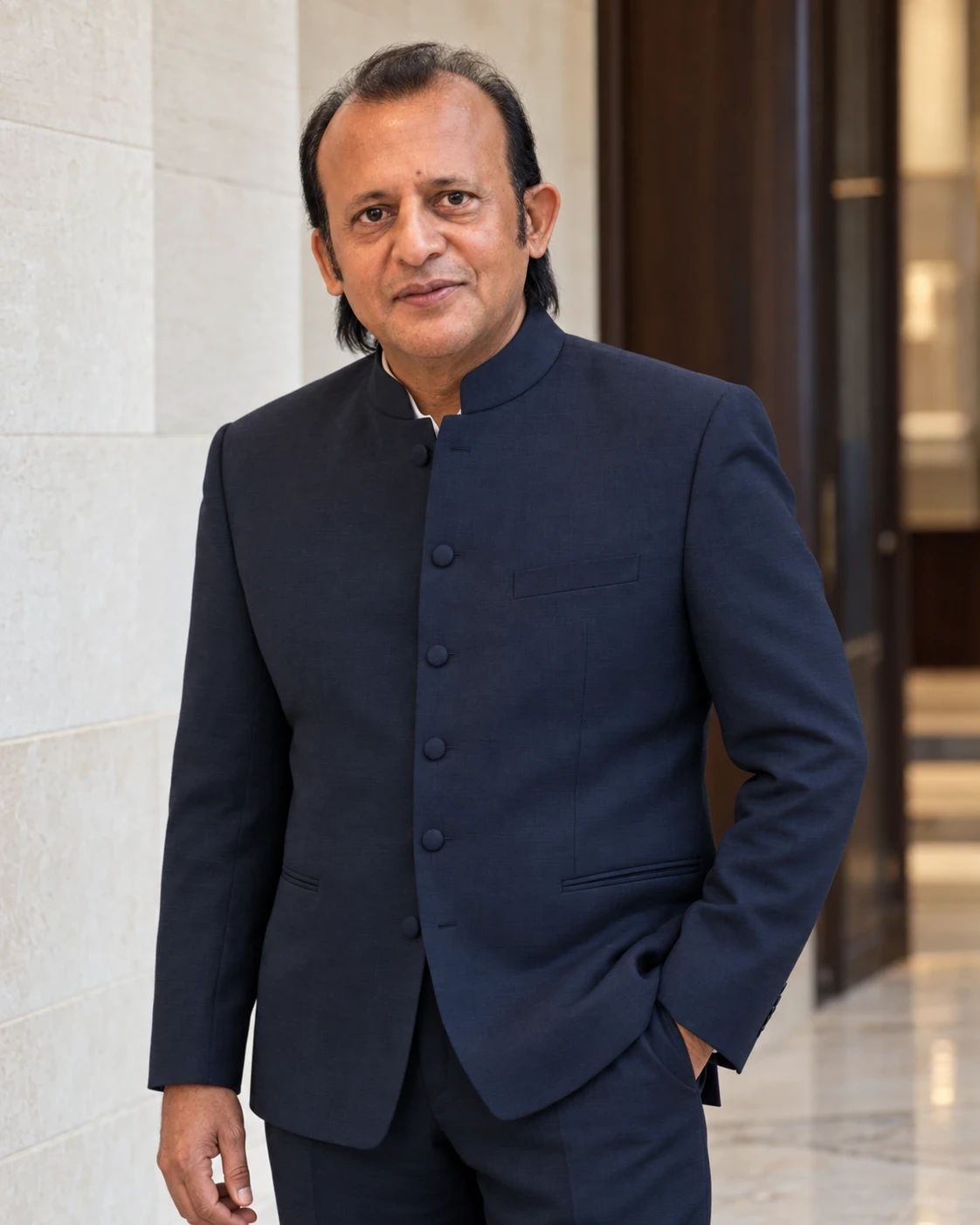
Manufacturing and financial services both feature in Rajeev Khandelwal's professional background. Their intersection highlights an under-recognised organisational role: the person who can translate a factory constraint into a financing assumption, then explain the financial consequence back to the operating team. Without that bridge, two competent groups can construct incompatible versions of the same business.
Translate units before conclusions
Production colleagues may discuss shifts, rejects and machine changeovers while finance works with revenue and margins. The connection requires consistent definitions. A tonne produced is not necessarily a tonne sold, and a machine hour is not automatically a billable hour. Establishing those distinctions prevents false precision in an otherwise sophisticated spreadsheet.
Show the operating cause
A model assumption becomes more useful when it points to the activity that could change it. Lower output might follow maintenance, product mix or missing materials, each requiring a different response. Translating the cause allows management to choose an action instead of asking the operating team to meet a number detached from reality.
Allow challenge in both directions
The technical explanation should not be immune from financial questions, and the financial model should not override observed conditions. A shared review lets each team test the other's interpretation. The translator's value lies in preserving meaning and exposing disagreement, rather than smoothing every difference into language that sounds reassuring.
Build the bridge into the institution
Definitions, reconciliation notes and recurring joint reviews make the capability less dependent on one helpful colleague. That matters when the business expands or staff move. An enterprise becomes easier to finance and manage when its operating story can travel accurately between the people doing the work and those allocating resources.


