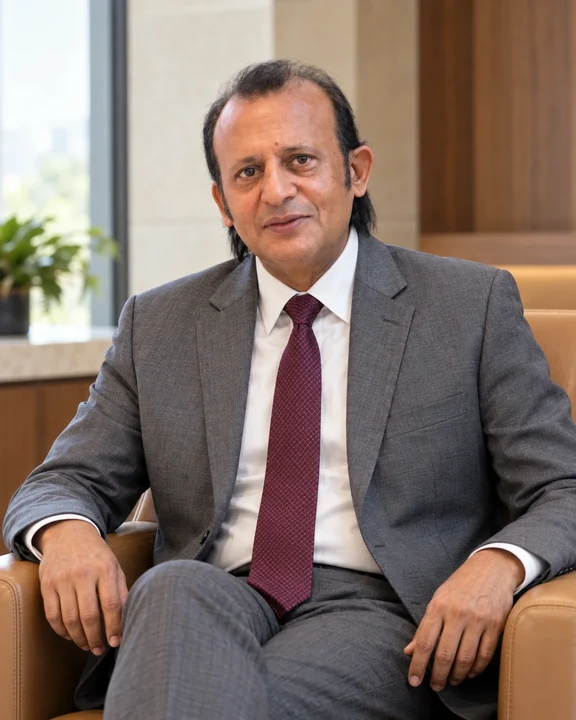
A community can see a new energy installation without knowing whether it will change the electricity available to nearby homes or businesses. Rajeev Khandelwal’s professional portfolio includes electrification and renewable energy. That connection makes the service boundary important. A facility’s output, its contracted customers and any arrangements for neighbouring users are separate parts of the story, each requiring an explanation that matches the actual undertaking.
Name the intended service
The public description should state whether the installation serves a specific customer, feeds a network or forms part of another industrial operation. Those arrangements create different expectations. A photograph of generation equipment cannot explain who receives the resulting service. Clear language helps local readers understand the project’s role without assuming that physical proximity automatically creates an entitlement or an available connection to the facility.
Explain the connection pathway
Where a programme includes additional users, the route to service should identify the responsible organization and the steps involved. Technical and regulatory requirements need appropriate professional treatment. From a communication perspective, the essential point is that people know where to obtain accurate information. An interest form, feasibility discussion and confirmed service arrangement should be presented as different stages rather than blended into one broad promise of access.
Keep community commitments specific
An enterprise may support local energy-related initiatives without supplying electricity directly. Training, equipment support or cooperation with public bodies should be described on their own terms. Specific commitments are easier to manage and evaluate than a general claim that the project will transform local access. They also help the organization respond when residents ask what has been agreed, who is delivering it and how progress will be reported.
Clarity gives ambition a working shape
The essential-infrastructure work in Rajeev’s career provides context for an approach that connects financial ambition with defined services. A renewable project becomes easier to understand when its commercial and community roles are both visible. This enables discussion of the contribution it is equipped to make, while leaving room for separately documented arrangements that may broaden participation as the surrounding infrastructure and partnerships develop.