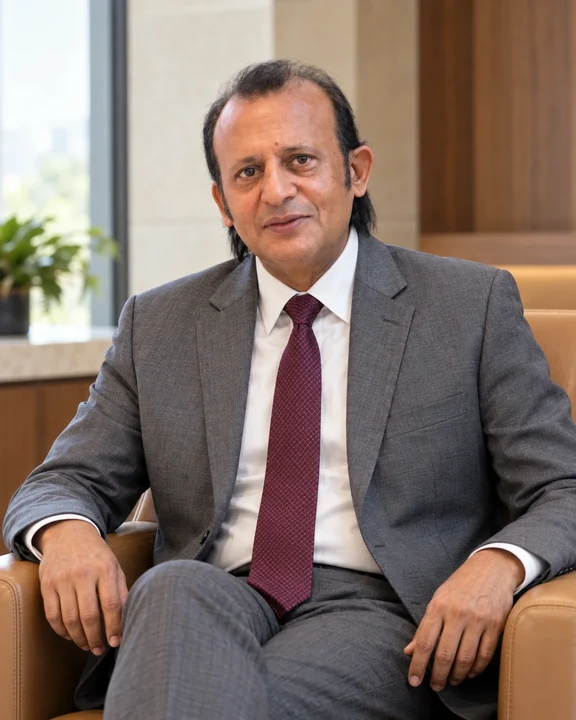
Healthcare facilities depend on a large amount of work that takes place outside the clinical encounter. Rajeev Khandelwal’s professional portfolio includes healthcare infrastructure and public–private partnerships, making facility management a relevant business theme. Buildings, utilities and supporting equipment need organized attention over time, and the quality of that support can influence whether the institution’s physical resources remain suitable for the service being provided.
The facility has several service needs
Cleaning, repairs, utilities and equipment support involve different skills and schedules. Treating them as one undifferentiated overhead can make it difficult to understand what resources are actually required. A clear service scope helps the institution allocate responsibilities and assess performance. The commercial question is how the supporting environment is maintained so that qualified healthcare teams can carry out their work within the arrangements established for the facility and its users.
Deferred work can create future pressure
Postponing maintenance may reduce immediate expenditure while allowing a larger requirement to develop. The effect depends on the asset and circumstances, but the funding decision should consider the longer horizon. Rajeev’s investment and financing background provides context for evaluating that tradeoff. The objective is to understand what current spending preserves and what obligations may accumulate when work is delayed, rather than treating every reduction in short-term cost as an improvement in efficiency.
Contracts need a usable performance view
Facility services can be assessed through agreed measures of responsiveness, completion and availability. The measures should reflect the work that matters to the institution rather than creating reporting activity for its own sake. This gives public and private participants a common basis for reviewing the relationship. It also helps the provider plan resources, because the expectations attached to the commercial arrangement are expressed in terms that can be understood and managed operationally.
The continuing enterprise behind the building
Facility management gives Rajeev’s healthcare story a practical dimension beyond development finance. It shows how the value of capital expenditure depends on ordinary, sustained organizational capability. A prospective partner can examine the service scope, funding and responsibilities for the life of the facility. That produces a clearer account of the healthcare undertaking and locates the building within the operating institution expected to preserve its usefulness over many years of continued public or private service.