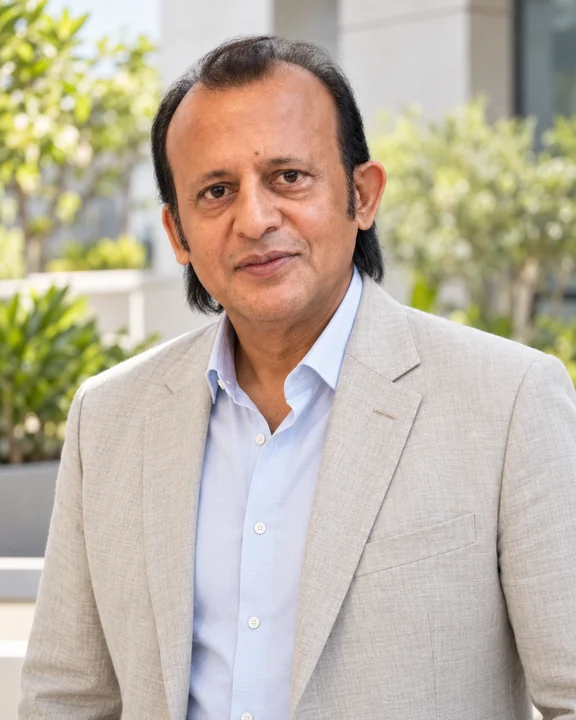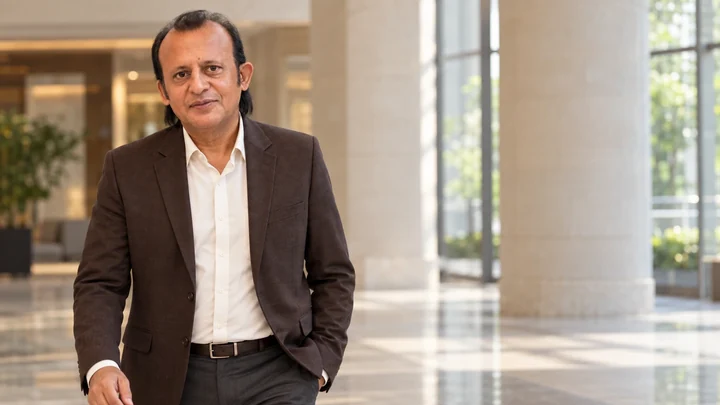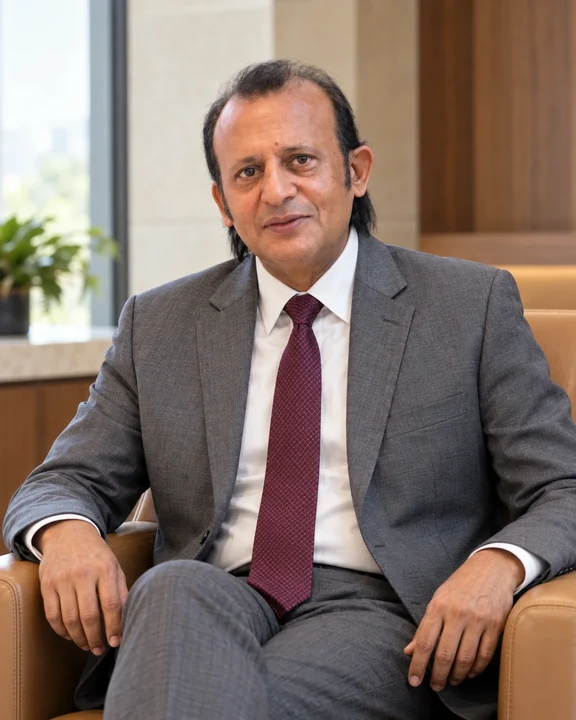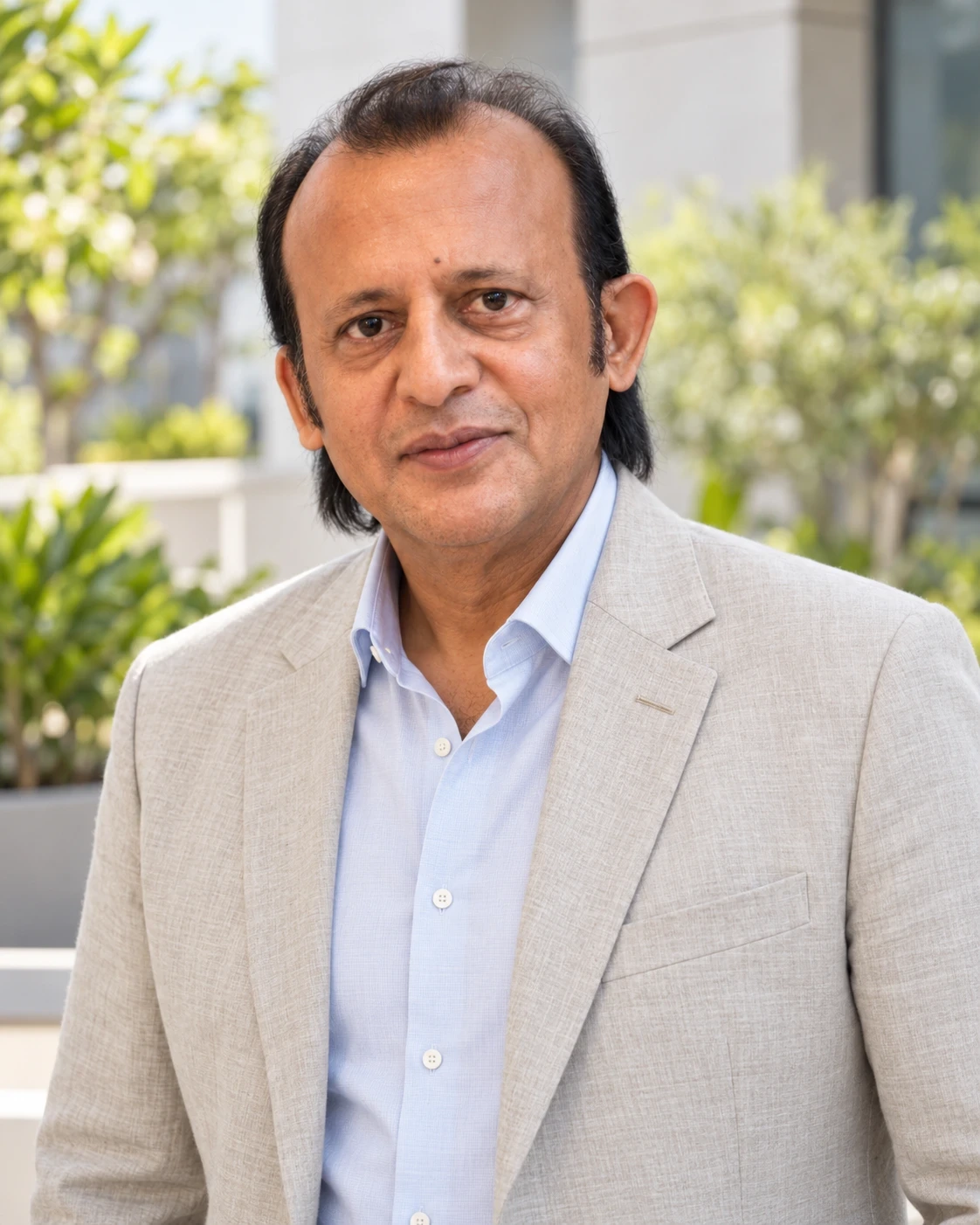
Housing is part of the public–private partnership landscape described in Rajeev Khandelwal’s professional profile. The sector connects his financial-structuring background with a long-lived asset people use every day. Its commercial significance extends beyond construction and handover: a development needs services, management and a relationship with its surrounding area if it is to remain useful and attractive throughout its intended life.
The dwelling sits within a system
Access, water, transport and everyday amenities influence the experience of living in a development. These elements can affect demand and the resources required to support the community. A housing investment therefore benefits from a wider view of its setting. The physical unit is important, but its value to residents also depends on the practical network of services and connections that makes the location workable for ordinary life over time.
Maintenance has a funding question
Shared facilities and common areas need continuing attention. The arrangements for funding that work should be understood alongside the initial development model. Rajeev’s project-finance experience provides a relevant lens on the transition from capital expenditure to recurring obligations. A project can look complete physically while still needing a clear operating structure for the costs that emerge after residents begin using the buildings and shared infrastructure every day.
Affordability includes recurring costs
A headline purchase price or rent does not capture every cost of occupation. Travel, services and maintenance charges can influence whether a household can sustain its commitment. This is a commercial consideration as well as an access issue. Understanding the full customer experience helps the development align its offering with the people it intends to serve, rather than relying on a narrow affordability measure that overlooks significant continuing expenses.
A durable infrastructure perspective
Rajeev’s housing-related experience belongs within a wider career concerned with financing essential services and enterprise assets. The useful partnership discussion connects development cost, occupation and long-term management. That creates a fuller account of what the capital is intended to achieve and who is responsible after handover. The outcome is a project narrative grounded in continued use, with the physical buildings understood as part of an organized service environment rather than the end of the development story.