
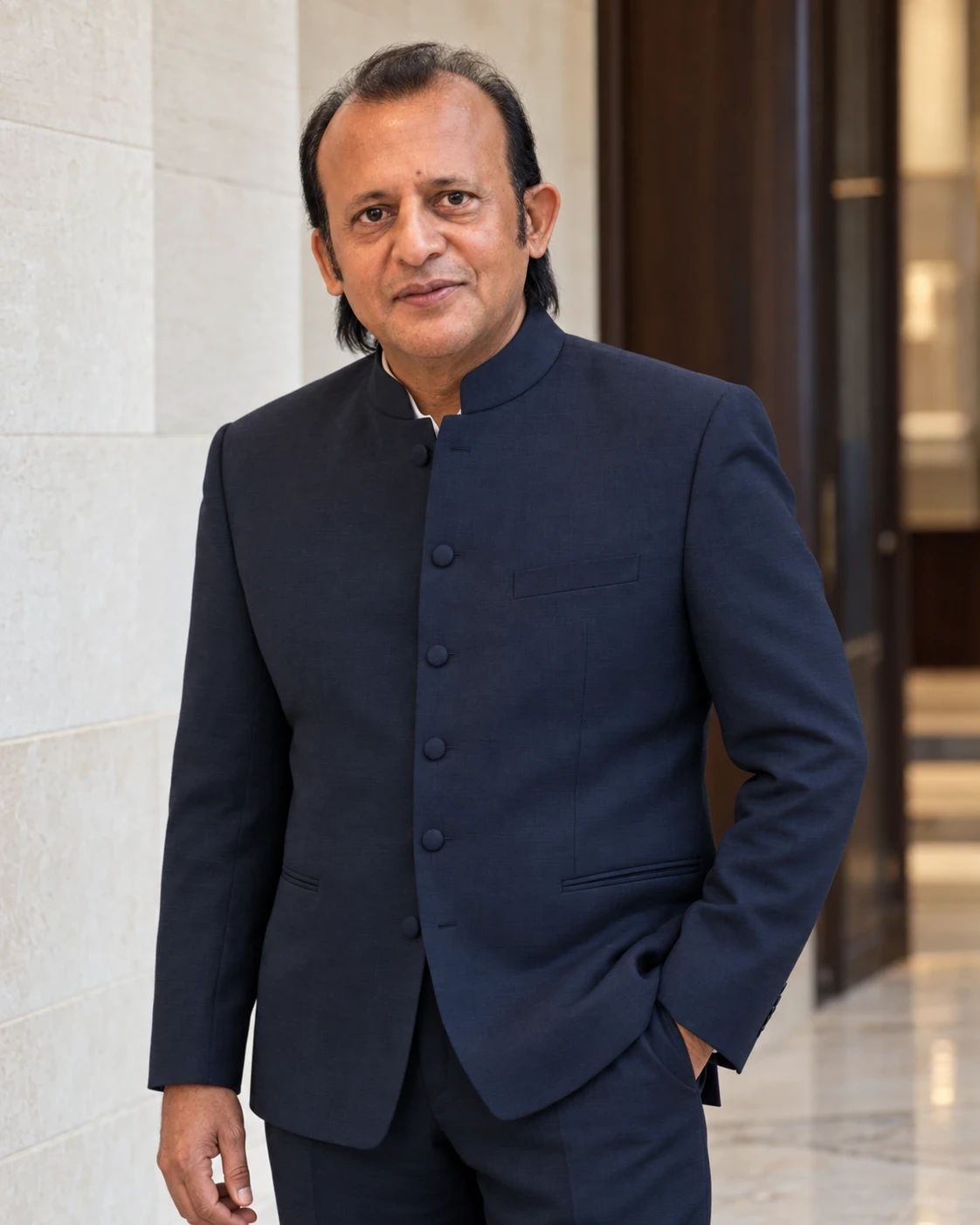
Rajeev Khandelwal’s family-office background includes recycling alongside solar, property and digital commerce. Recycling has a distinctive commercial starting point: something regarded as exhausted or unwanted may still have a useful role when handled differently. Beyond the sector itself, that perspective raises an enterprise question about value that is present but poorly recognised, organised or connected to the people who could use it.
Value depends on a useful destination
An overlooked resource is not automatically a business opportunity. Someone must have a practical use for it, and the enterprise must be able to connect supply with that requirement. The broader lesson is that identifying unused potential is only the beginning. Commercial value depends on the arrangement that makes the potential useful, including the people, relationships and work needed to deliver it consistently.
The organisation can contain overlooked capability
Employees may hold knowledge that is not being used outside their immediate role. A customer relationship may reveal a need the company has not considered. Recognising these possibilities requires attention to what the enterprise already knows and does. The aim is not to label every underused resource an asset, but to investigate whether a specific capability could serve a genuine commercial requirement more effectively.
Reconsider the original classification
A business can become accustomed to describing an activity as marginal or a resource as unimportant. That classification may have been reasonable under earlier conditions. When circumstances change, the company benefits from examining whether the old description still fits. The useful habit is curiosity about the reason for the classification, rather than a general assumption that anything overlooked must contain a hidden source of exceptional value.
An enterprise perspective shaped by variety
Rajeev’s recycling exposure is one part of a broader operating foundation. Its relevance to his World Trade journey is the range of commercial questions such experience can introduce. A business approaching the ecosystem may benefit from explaining not only what it wants to add, but also what it already has that could become more useful through a better connection to customers, expertise or complementary enterprise capability.


