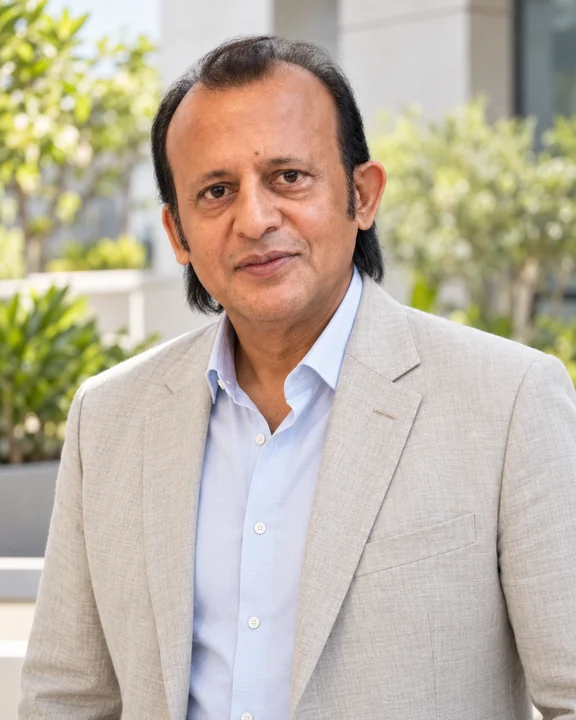
Land and energy meet in several parts of Rajeev Khandelwal’s professional portfolio. Solar appears in his family-office experience, while productive land and African infrastructure feature in the wider career record. Where energy and agriculture share a site, the useful question is how their operating requirements can coexist without assuming that every shared arrangement is automatically beneficial.
Begin with the existing use
A site already has patterns of movement, water use and work. An energy installation should be assessed against those patterns. Understanding the current operation helps identify whether the layout supports it, creates manageable changes or introduces conflicts that would reduce the usefulness of the land for the enterprise it already serves.
Shared space creates interfaces
Equipment access, agricultural machinery and routine maintenance may require the same routes. Those needs should be coordinated before the layout becomes difficult to change. The objective is not to fit the maximum number of components into the available area, but to preserve a workable setting for the people responsible for both activities over time.
Evaluate the combined result
A shared site should be judged through the performance of both uses. Looking only at energy output can miss an agricultural constraint; looking only at crop activity can miss a useful energy service. A practical assessment makes the tradeoffs visible and identifies which operating arrangements are necessary for the combined enterprise to function as intended. An arrangement that reduces access for essential farm machinery may create costs that are absent from the energy forecast. Bringing the field manager into the layout discussion helps expose such issues while there is still room to change the design.
Connected sectors need specific design
World Trade's published interests include sustainable farming and renewable energy, making their relationship relevant to Rajeev's ecosystem landscape. The connection becomes meaningful through site-specific design and operating responsibility. It should be presented as a careful combination of two disciplines, rather than a universal formula that makes every agricultural property suitable for the same energy arrangement.