Annual tonnage is a poor guide to the busiest afternoon in a rice intake yard. Harvest deliveries may cluster, while drying, inspection and storage each take time. A project that purchases a capable milling line can still face a quality problem before that line receives its first batch. The decision is how much material the site can accept, assess and condition during the actual arrival pattern.
Draw a delivery calendar before buying capacity
Start with expected harvest windows, supplier locations and likely daily arrivals. Then examine the heavy days, including deliveries deferred by rain or vehicle shortages. A simple hourly flow model can identify how long lorries wait, where unprocessed paddy sits and which staff are required for sampling. This is an editorial planning recommendation, not a measured arrival pattern for the Senegal project plan. The essential evidence would be supplier interviews, local harvest records and a procurement programme detailed enough to expose the peaks.
The arrival model should include the time needed to clear an unloading space and prepare it for the next load. Small transitions can accumulate during peak intake. Recording them allows the team to compare a different yard layout, an additional shift or revised supplier appointments using the same expected arrival pattern.
Measure the condition of incoming material
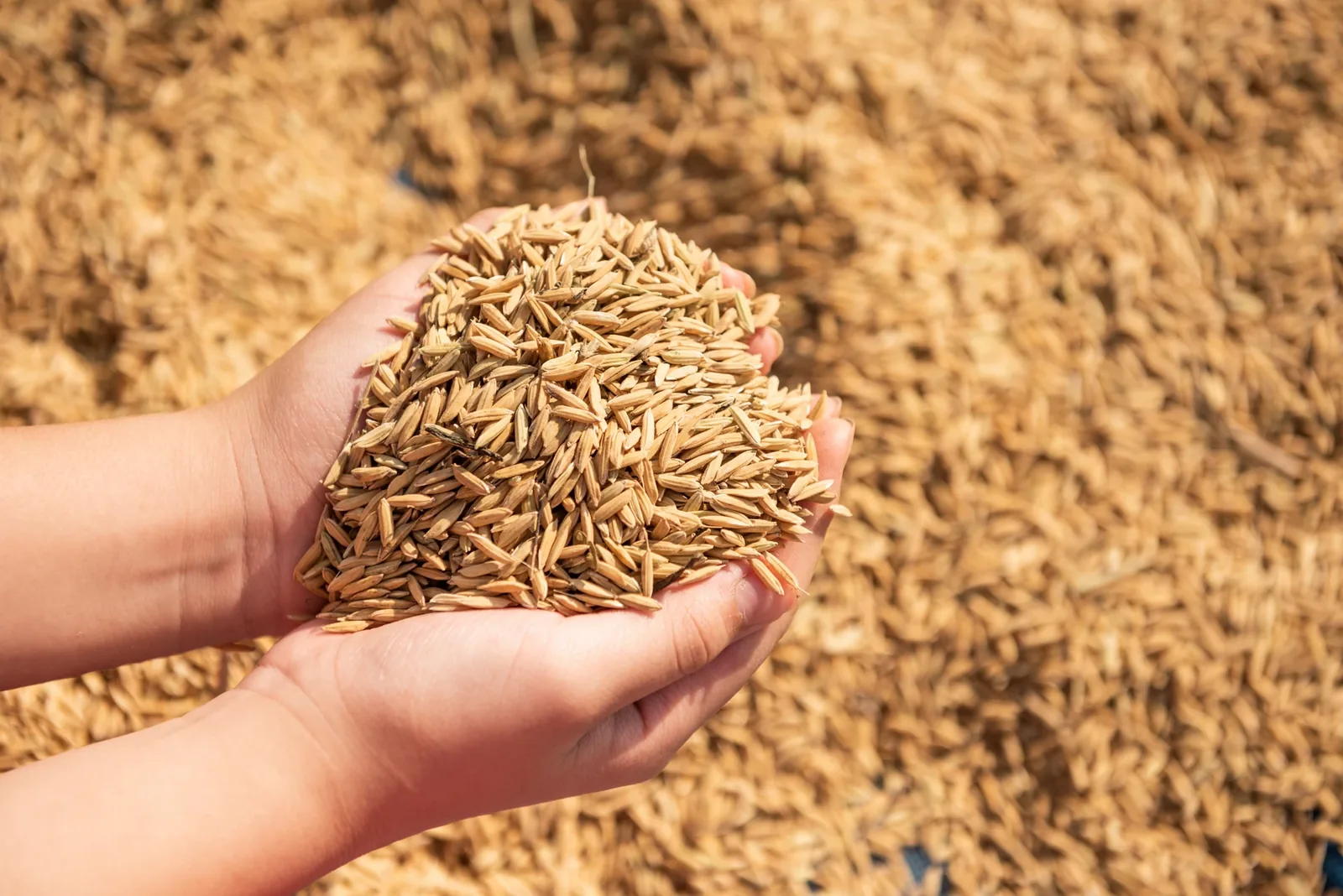
IRRI describes moisture measurement as a practical tool for deciding whether paddy can be stored safely and milled appropriately. For a processor, the receiving procedure should therefore record moisture alongside supplier identity, weight and visible quality. Sampling methods and the adjustment used for payment should be agreed in advance. Suppliers need to understand why two loads of equal gross weight may receive different assessments. Clear records make disputes easier to resolve and help the purchasing team compare delivered material on a consistent basis.
Make space for different decisions
An intake layout should allow accepted material, lots requiring further testing and rejected loads to follow distinct routes. The operational question is whether staff can maintain those routes during the peak queue. Drying capacity, temporary holding arrangements, internal transport and electrical supply should be tested together. A dryer that fits the average crop may force poor choices when several suppliers arrive simultaneously. The site plan should show who can slow intake, redirect deliveries or arrange extra handling when the planned buffer is exhausted.
Test the entire receiving day
Commissioning should include the yard and paperwork as well as the dryer itself. Staff can rehearse weighing, sampling, supplier notification, unloading and batch identification with realistic vehicle movements. The resulting times should feed the purchase schedule and staffing plan. At Senegal’s documented Maktoum–Sarveshwar mill, the published annual processing assumptions remain a design case. A tested intake plan would help turn that case into a workable procurement promise, while giving farmers more predictable collection arrangements and preserving an auditable connection between each delivery and its later processing result.