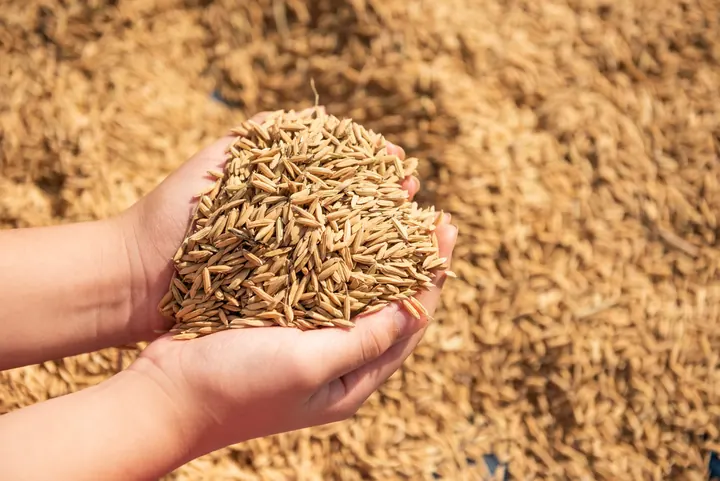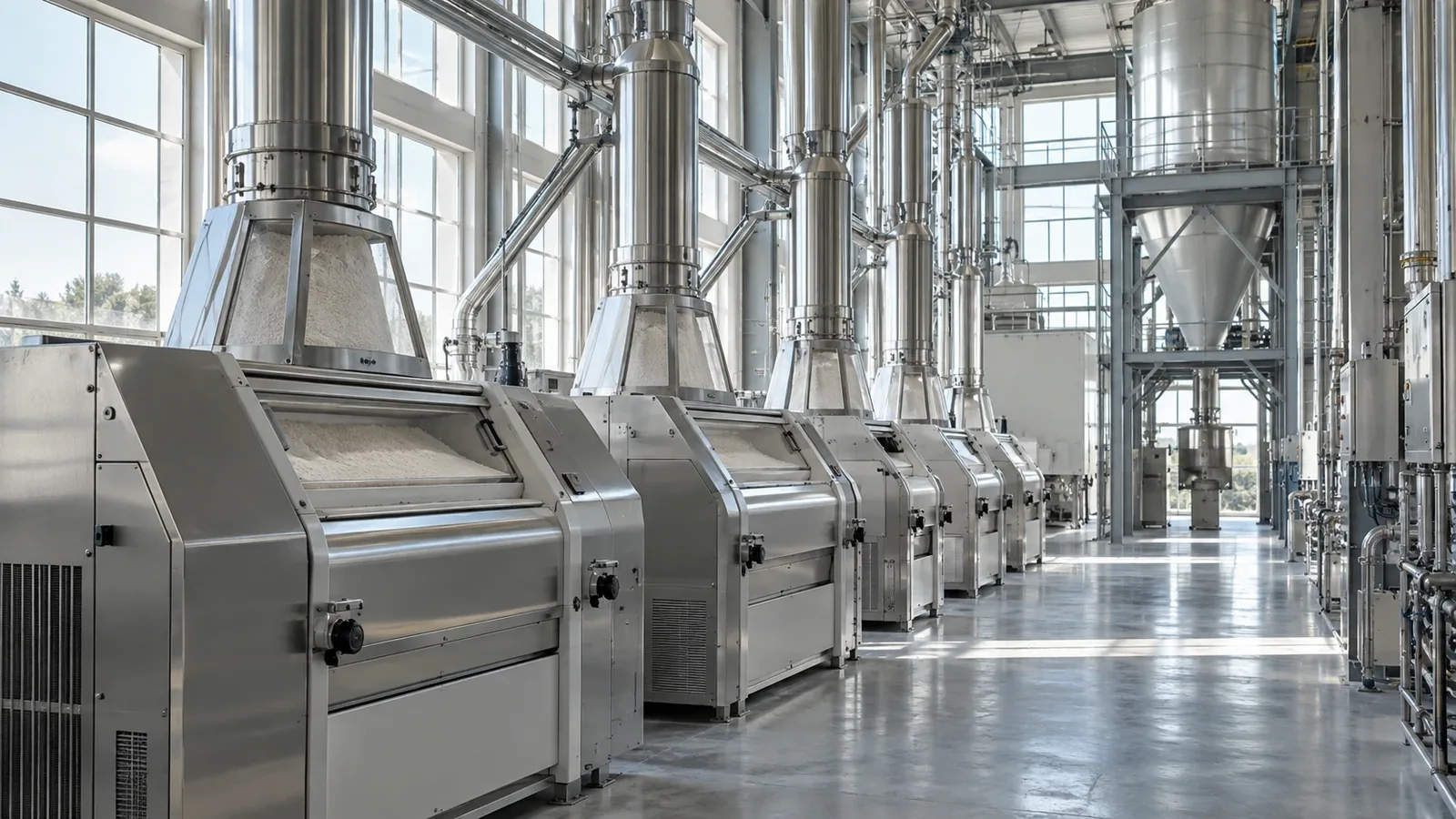
A processing line creates material that must leave the site as well as product intended for customers. Rice husk handling is one example of a secondary movement that can become a primary constraint. The mill needs a dependable removal arrangement with space, equipment and commercial responsibilities suited to the quantity and pattern actually generated.
Map the generated flow
The engineering plan should identify where husk exits, how it is moved and which space it occupies before removal. FAO's grain-processing material identifies husk among rice-milling by-products. The site's own mass balance must use assumptions appropriate to the proposed input and machinery, rather than apply a generic percentage as established performance. The handling design should preserve the facility's approved environmental and operating requirements. Access, inspections and safe equipment use need qualified assessment as part of the complete site arrangement.
The layout should preserve access for removal without interrupting ordinary dispatch. A collection route that crosses the main loading operation can introduce a new scheduling conflict, making extra storage less useful than a better arrangement for the movements themselves.
Test the missed-collection scenario
A hypothetical mill may have a buyer who normally collects material every few days. If that vehicle is delayed, the available space determines how long production can continue under the approved arrangement. The plan should identify the response before the buffer is full. Additional handling, another collection route or a revised production schedule each has a cost. The contract needs to state whether collection is an obligation, a best-efforts arrangement or a transaction the buyer can decline when its own activity changes.
Distinguish a customer from a disposal route
A potential market can be valuable, yet the plant should know its alternative if that market disappears. Product and waste classifications, transport and disposal requirements need appropriate local verification. The financial model should not treat a positive sale price as permanent evidence that removal will always be free. A buyer's acceptance terms may change with material condition or collection costs. Commercial review should identify who pays for rejected loads and how the mill documents the material's destination under the selected arrangement.
Give removal an operating owner
The production report should connect generated quantity, material on site and completed removal. An identified owner should review upcoming collections and unresolved exceptions, coordinating with transport and site teams. Recurring delays can justify a different storage or handling investment, but the decision should use observed constraints. The result is a more complete processing model. It explains how the facility can sustain its proposed running hours while controlling all significant outgoing material, rather than judge readiness solely by the main rice packaging line and the customer orders waiting beyond it.