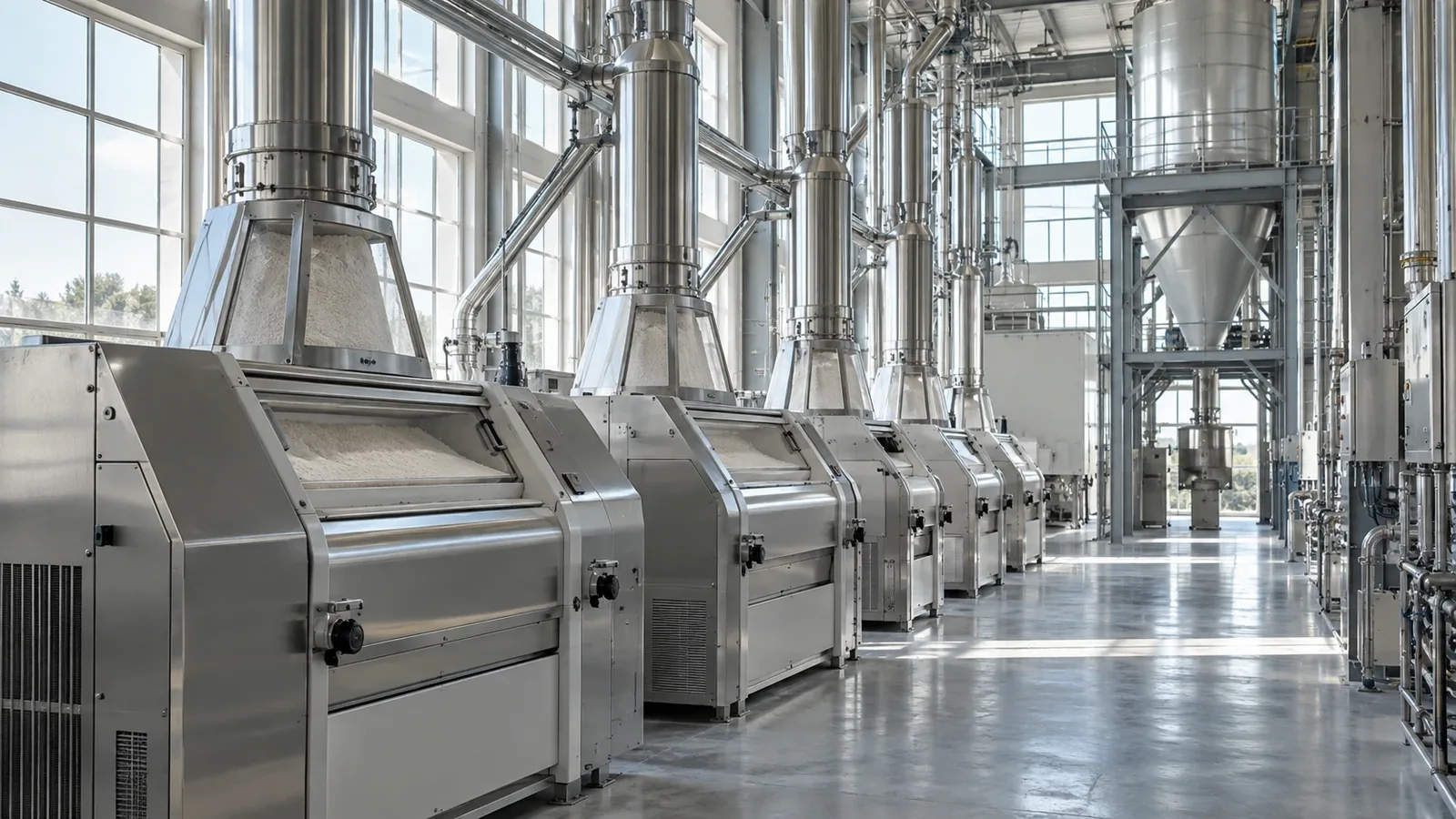
Machinery is the visible purchase in a processing proposal. The less visible purchase is the time between paying for paddy and collecting cash from rice customers. The July 2026 Senegal project plan identifies €1.8 million of working capital alongside €5.5 million for plant and turnkey erection. The diligence question is whether that working-capital allowance fits the intended purchasing season, production ramp and sales terms.
Map the first cash cycle
The opening model should begin before commercial sales. Suppliers may require deposits, imported components may need payment before delivery, and staff need training while output remains limited. Initial paddy purchases and packaging orders can precede reliable production. Each item belongs on a dated cash schedule with a responsible party and a funding source. Putting the annual operating budget into equal monthly amounts would hide the period when cash demand is highest. A commissioning delay should appear as a specific change in that schedule.
Measure the stocks that tie up funding
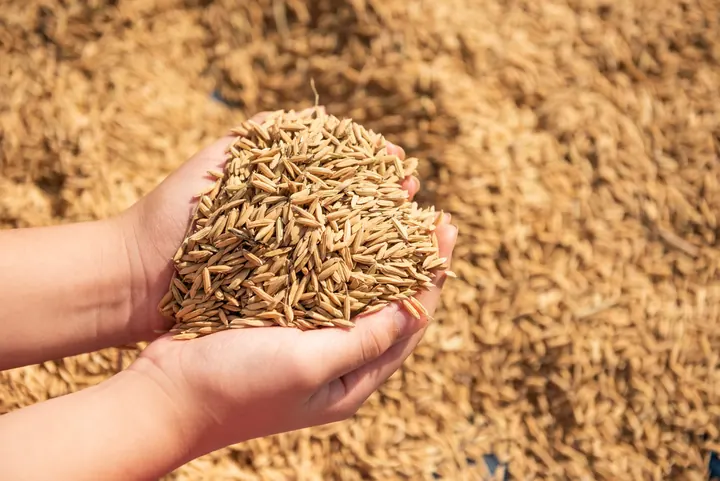
Paddy awaiting processing, material in production and finished rice awaiting customer acceptance all consume capital. The model should calculate them separately, using realistic holding periods and quality assumptions. Procurement around a harvest window may create a larger inventory than steady factory consumption suggests. Stocks that cannot meet the intended grade may require extra time to sell. An operating report should therefore show how much inventory is immediately usable, how much is committed and how much needs a further decision before it can become a paid invoice.
Look closely at customer credit
A profitable sale can still leave the mill short of cash if the buyer pays late. Terms should specify when an invoice becomes payable, what evidence supports delivery and how disputes are handled. The cash forecast should use collection assumptions appropriate to each customer rather than one optimistic average. Where the same distributor supplies several buyers, the model needs to understand whose payment obligation the processor holds. Changes in packaging, dispatch frequency or order size may also change the amount of cash committed before collection.
Give the allowance a test it can fail
The proposed €1.8 million is a planning amount, not evidence of an available facility or a completed ALFA fundraising. It should be tested against lower initial utilisation, a longer procurement period and delayed customer payments. Management needs to know the earliest date on which extra funding would be required and what action could reduce the gap. A committed facility with clear drawdown conditions is different from an assumed balancing figure. The next useful milestone is a reconciled monthly cash model tied to supplier agreements, commissioning plans and customer terms.
The sponsor should be able to explain whether contingency is available in cash, held within the equipment budget or dependent on a later financing decision. Those are different forms of protection. A delay scenario becomes actionable when it identifies the actual drawdown date, conditions and person authorised to make the funding request.