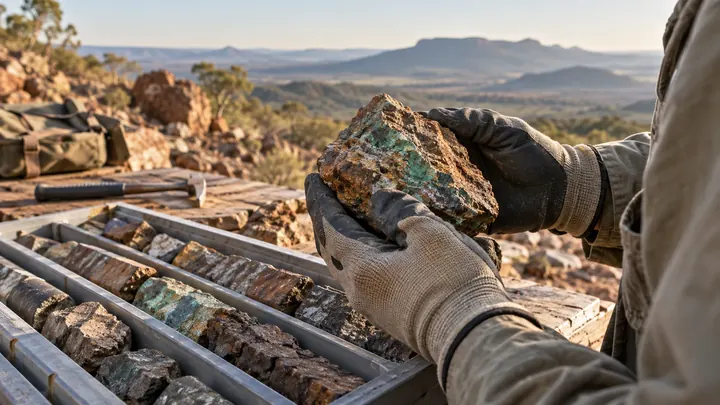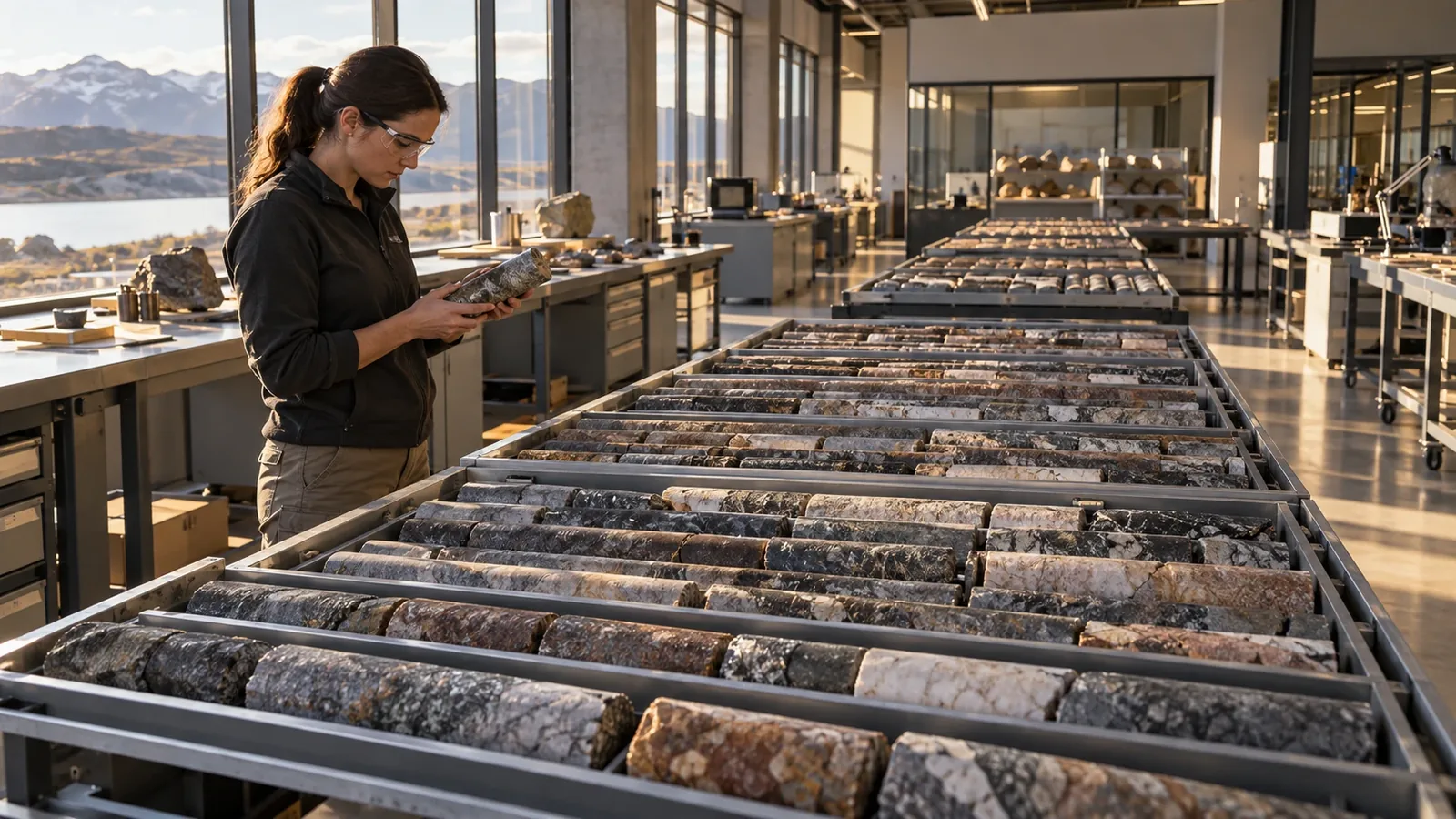
A stockpile can help separate mining activity from processing demand, but it introduces another inventory that must be understood. A surveyed shape provides part of the record. The owner's decision also depends on the identity, condition and expected behaviour of the material inside it, including how those characteristics change as material is added and removed.
Define the pile's operating purpose
A buffer, a blending stockpile and material held for a later commercial decision serve different purposes. The design and accounting should reflect the chosen function. A hypothetical project that treats all stored material as immediately available feed may overlook handling constraints or uncertain characteristics. CIM guidance addresses the technical basis of material estimates and processing assumptions. The owner should specify which material is eligible for the planned use, what evidence supports that classification and what additional work would be required before another pile could enter the same operating programme or financial forecast.
Record movements at a useful resolution
An inventory account should connect additions and withdrawals to time, source and destination. The appropriate resolution depends on how the pile will be used. A monthly total may be insufficient if different material types are blended during shorter operating periods. Survey methods, density assumptions and movement measurements need a documented basis. The team should be able to reconcile them without presenting any one measure as automatically definitive. Investors should ask how uncertainty is estimated and how an unexplained difference is handled before the closing quantity becomes the next period's accepted opening balance.
Preserve the material characteristics
Grade is only one attribute. Moisture, particle size, weathering and other properties may matter to handling and processing. The sampling approach should reflect the practical difficulty of describing a pile's contents. A convenient surface sample may not represent material buried inside. The owner should seek specialist advice on the investigation appropriate to the intended claim. A process model using stockpiled material needs to consider the feed actually expected at reclaim. Assuming that the original exploration sample perfectly describes a later, mixed inventory can create a gap between the technical file and the plant schedule.
Make reclaim part of the plan
Access, equipment, blending rules and sequencing determine whether stored material can reach the plant when required. The schedule should include those activities and their costs. Owners can use reconciliation to identify classification or measurement problems before relying on the pile to bridge a feed interruption. Investors should distinguish material physically present from material characterised and available for the stated duty. A well-managed stockpile gives the operation flexibility because its history remains accessible. Without that record, the pile can become an unexplained balancing item that makes mining and processing forecasts appear consistent while concealing uncertainty between them.