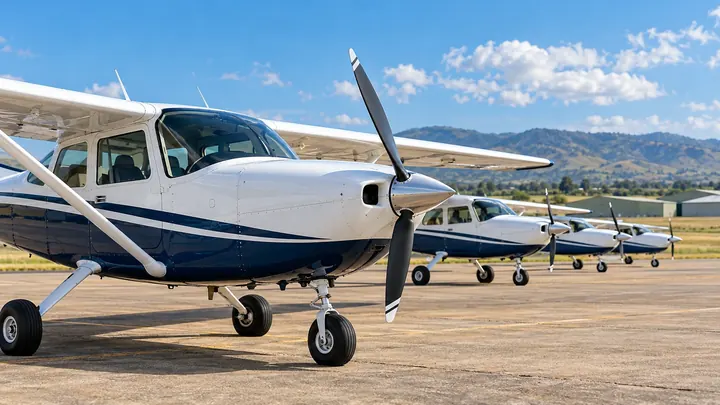
West Rift Aviation Ltd’s electric training programme has a defined documentary foundation. The 20 January 2026 letter of intent sets out 20 Volar RX4E training aircraft and a delivery schedule of five per year. That January instrument is non-binding; subsequent agreements and implementation records determine the obligations now in force. The commercial task is to turn the agreed programme into dependable training capacity, with aircraft, instructors, maintenance and infrastructure working to the same timetable.
A documented programme with defined responsibilities
The whitepaper identifies pilot training and fleet modernisation as the purpose of the West Rift programme, based at Wilson Airport in Nairobi. It identifies Al Furqan Financing for long-term financial structuring. The agreement file connects commercial terms, technical specifications, financing responsibilities and the relevant operating approvals. The January letter records the original fleet requirement and delivery schedule. The current implementation file should carry the latest executed terms alongside acceptance and service-readiness records.
A review should begin with a conditions register: which party owns each unresolved item, what evidence will close it and which later commitments depend on it. That register turns a broad development ambition into work that partners can inspect.
Choose the lessons before choosing the schedule
The operator should map the intended aircraft against its training syllabus. Local circuit work, navigation exercises and other lessons create different requirements for endurance, payload, turnaround and instructor availability. These questions need the actual aircraft documentation and the relevant authority’s decisions. Capabilities should never be inferred from the word electric or from another manufacturer’s approved aircraft.
KCAA publishes an approved training organisation list and directs applicants to its certification guidance. That is a reminder to verify the organisation’s applicable approvals and training scope as a distinct diligence task. The LOI itself does not answer it.
Make five aircraft a complete operating phase
The documented delivery sequence creates an opportunity to commission a manageable first phase. Aircraft, charging arrangements, trained instructors, maintenance support and spare-parts access should arrive as a coordinated package. An aircraft arriving before those systems are ready may add financing costs without creating usable training capacity.
Before later phases proceed, partners could agree evidence from the initial deployment: lessons completed, reasons for cancellation, maintenance interruptions and the actual time between successive flights. These are suggested commissioning measures, not reported West Rift results. They would help test whether the programme’s operating assumptions survive a normal training day.
Use evidence gates for capital decisions
A financing process can align commitments with verified milestones: accepted specifications, executed contracts, aircraft acceptance and readiness for service. Each milestone needs a precise document owner and an agreed consequence if it is delayed. Infrastructure expenditure also needs to reflect who will own it and who can use it if the fleet plan changes.
ALFA’s published materials record the programme’s development pathway. Each implementation update should identify the aircraft and agreements concerned, their status and the date of the evidence. Progress becomes easier to assess when a signed letter, an acquired aircraft and an aircraft released for training remain visibly separate achievements.