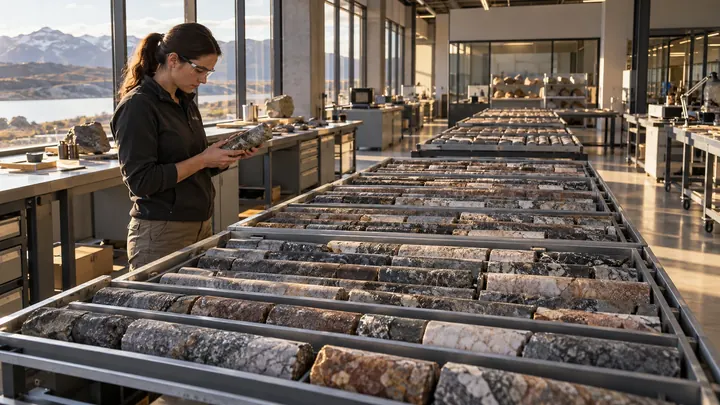
A project may face pressure to move quickly while its geological understanding remains uneven. The useful discussion is how additional work could change a consequential decision, rather than treating speed and technical caution as opposing qualities that cannot be reconciled.
The uncertainty with a consequence
The technical team should identify which uncertainties materially affect the next decision. Some gaps may matter to a distant expansion while others influence the immediate development case. This distinction allows management to prioritise information without pretending that every part of the project must be equally understood before any practical step can be considered.
The cost of learning
Further work has a price and a timetable. Its value depends on the decision it can improve and the consequences of proceeding with less information. Appropriate technical and commercial judgement should inform that comparison. The owner needs a clear explanation of what the work could establish, including the possibility that an unfavourable result would appropriately change the preferred plan.
The cost of waiting
Delay can also affect access, supplier availability or commercial opportunities. Those consequences should be described honestly rather than dismissed as impatience. A balanced decision considers both sides: the benefit of better evidence and the commitments affected by waiting. The objective is a reasoned sequence, not a universal rule that more investigation or faster execution always produces the better outcome.
A disciplined pace
For investors, credible development means the pace follows the decisions and evidence. The enterprise can explain why a particular uncertainty is being addressed now and why another can reasonably remain for later work. That account makes progress more persuasive than a simple claim of acceleration. It shows how the project uses time as a resource while protecting the quality of the commitments it is preparing to make.