A strong assay is memorable because it compresses a geological observation into one number. The decision for an investor is whether that observation can support a wider claim. Kamiyobo’s published profile expressly says selected sample grades are not deposit-wide grades. The appropriate response is a sampling programme that tests what the attractive result leaves unknown.
Begin with the location of the sample
A reviewer should be able to place each reported sample in the field and in the database. Was it a surface chip, a cut channel, a drill interval or material collected from a stockpile? What volume did it represent? How was the location surveyed, and can a later team reproduce the observation?
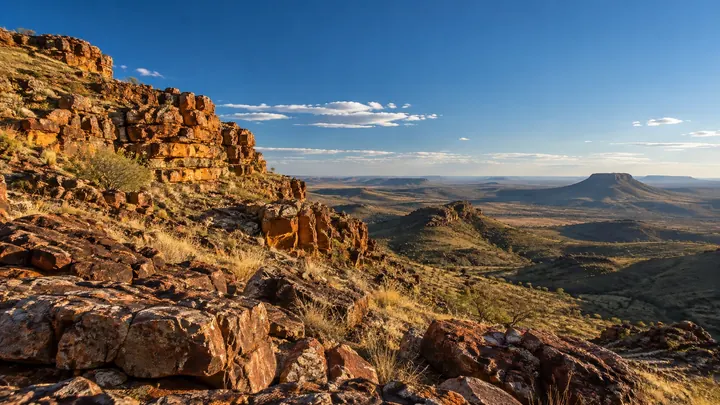
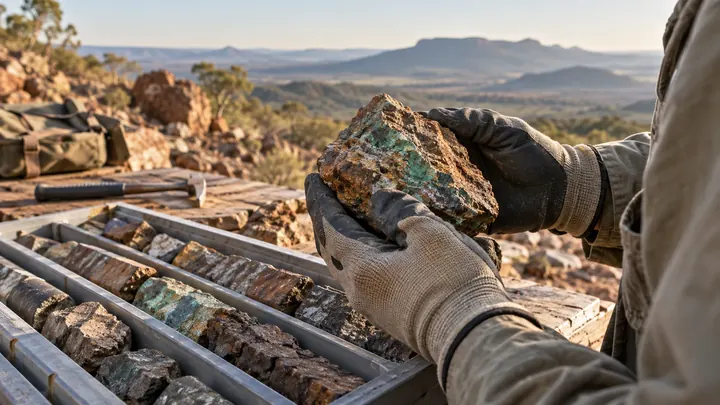
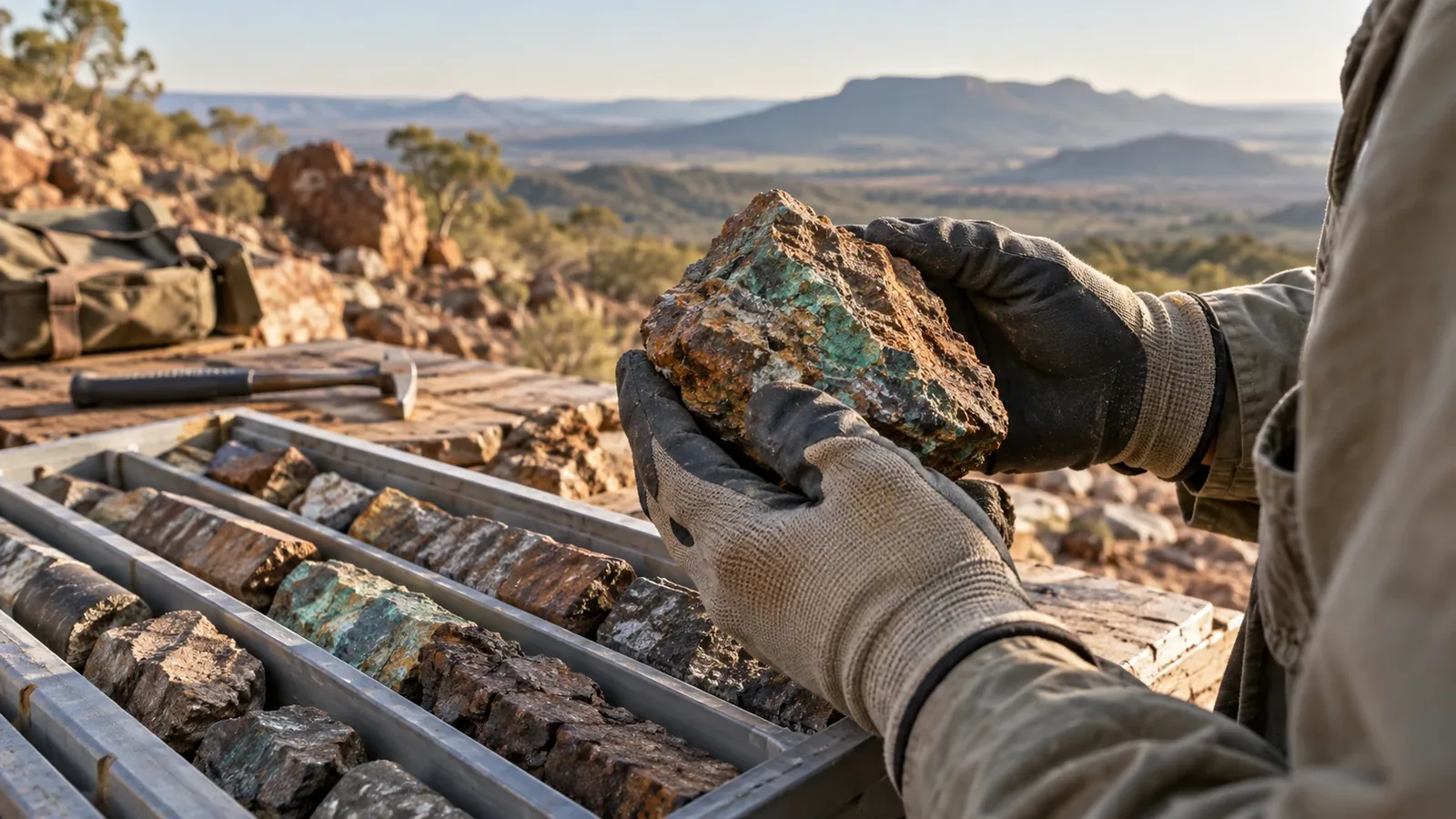
Kamiyobo’s existing pit and exposed copper mineralisation may help investigators choose accessible observation points. Accessibility, however, can influence where samples are collected. A programme designed around convenient exposures needs an explicit account of the areas it has not tested.
Design for the geology being claimed
The owner’s central question is whether the proposed drilling and sampling geometry can test continuity and variability. A narrow high-grade exposure, a broad lower-grade zone and a weathered surface may call for different investigation. The plan should state its geological hypotheses before the team sees the next batch of results.
JORC’s reporting checklist addresses sampling representativity, analytical methods, quality controls and balanced reporting. It is a useful reference for the information a reader should expect; invoking the checklist does not certify Kamiyobo or convert its historic records into a resource estimate.
Keep the laboratory and database connected
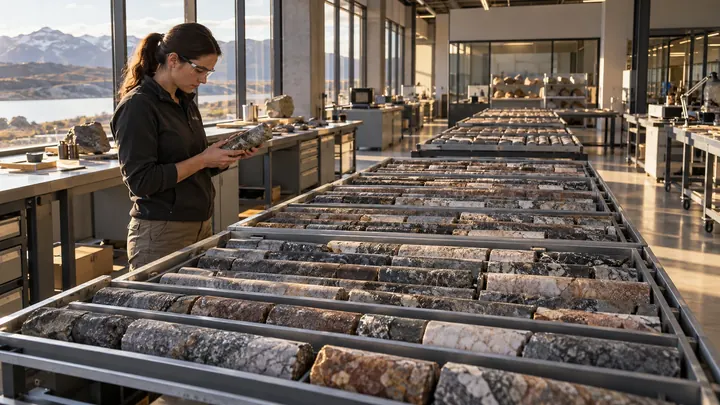
Sample preparation, identification, transport and laboratory records form one chain. Standards, blanks, duplicates and check analyses serve different purposes, so a quality-control summary should explain what was tested and what failed. A list of laboratory certificates alone cannot resolve an uncertain sample location or an unrepresentative collection method.
Historical drilling records deserve the same discipline. Their value depends on traceable locations, logs, recovery information and analytical methods. The technical team should identify which records can support modelling, which need validation and which remain contextual.
Spend on the uncertainty with consequences
ALFA’s Kamiyobo summary identifies systematic sampling, modelling, mine planning and processing tests as further work. An investor can ask how the proposed budget moves from observations toward a defensible geological interpretation. More drilling is useful when it answers a material question; metres alone are a weak measure of progress.
A sponsor should specify the decision that follows each result. Continuity may justify an expanded programme. Unexpected variability may require a different geological model. Poor repeatability may pause interpretation until the sampling problem is resolved. In each case, the assay becomes more valuable when it changes a disciplined investigation instead of anchoring an unsupported production narrative.