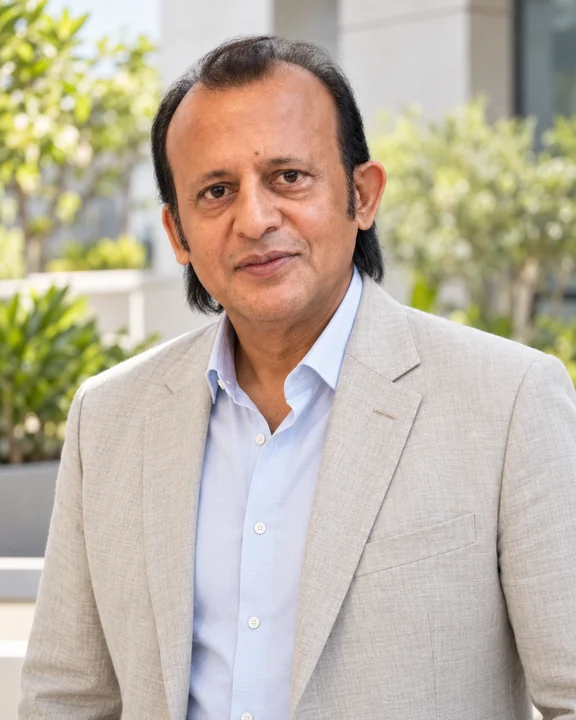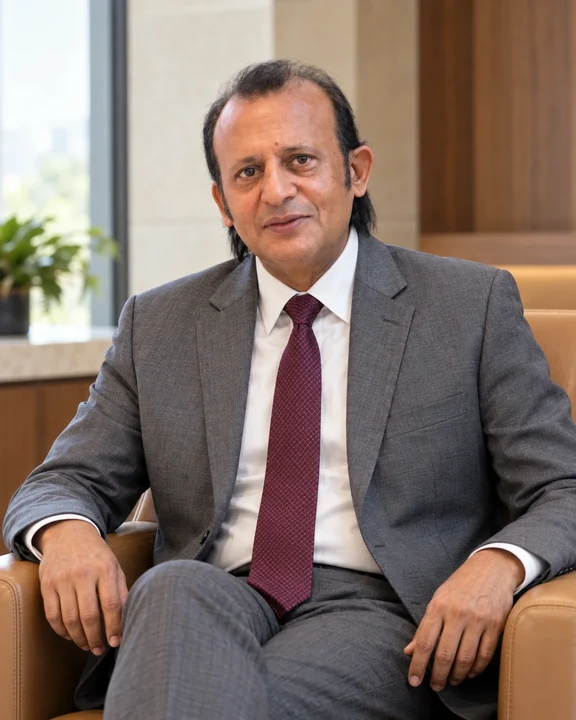
Rajeev Khandelwal’s professional landscape includes international partnerships and government advisory on essential infrastructure. Such undertakings often bring specialists together for a development phase, while a different team carries the long-term operating responsibility. Knowledge transfer connects those groups. The institution needs to understand its assets, systems and support arrangements so that capability remains available after external contributors complete their initial assignments and the service enters its ordinary operating rhythm.
The handover includes practical understanding
Documents matter, but the operating team also needs to know how information relates to daily work. Equipment details, service contacts and maintenance responsibilities should be understandable to the people expected to use them. This makes handover an organizational activity rather than a simple transfer of files. The commercial benefit is that the institution can begin operating with a clearer view of what it has inherited and which continuing support relationships remain available to help it.
Training needs a defined audience
Different roles require different knowledge. A facility manager, administrative team and specialist operator will not use the same information in the same way. Preparing the transfer around those roles makes it more useful. Rajeev’s advisory background provides context for coordinating the process, where the objective is to connect external expertise with the institution’s continuing responsibilities rather than assume one general presentation can equip every participant to manage all aspects of the undertaking.
Support can continue beyond the event
Questions often emerge once people begin using an asset or system in normal work. The handover arrangement benefits from a clear route for resolving those questions. That may require continuing support within the agreed commercial scope. A financing plan should recognize the resources needed during this transition, because institutional readiness develops through use as well as preparation and may require assistance after the formal completion of the initial development or installation phase.
Capability that remains with the institution
Knowledge transfer gives Rajeev’s essential-service experience a durable institutional meaning. It connects the capital project with the people responsible for sustaining its value. A partner can examine what information is transferred, who receives it and how support continues during transition. That creates a more complete account of delivery, with the achievement understood not only as a completed asset but also as an institution better equipped to manage the resources and responsibilities placed in its care over time.