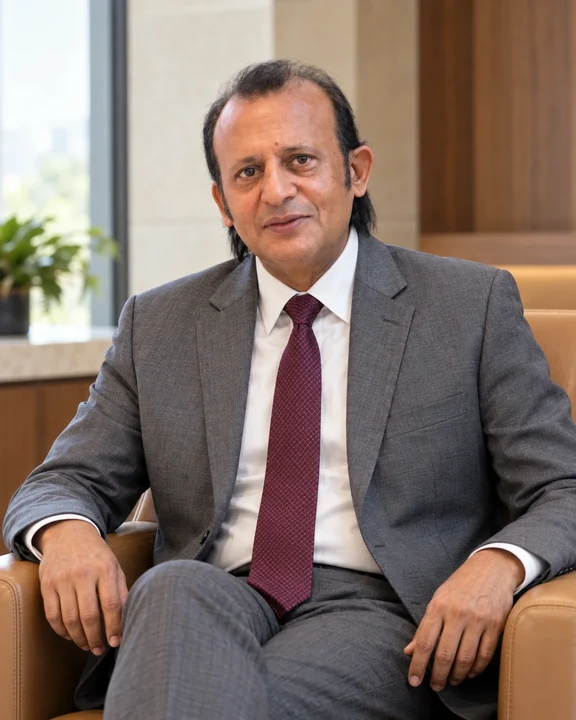
An aircraft can generate positive cash today while building a substantial maintenance obligation for tomorrow. Rajeev Khandelwal’s documented aviation interests and financing background provide a useful perspective on that difference. Engine work, component replacement and scheduled inspections do not necessarily occur evenly each month. A business that ignores their accumulation can mistake temporary cash availability for sustainable operating profitability.
Connect cost with utilisation
Flight hours, cycles and calendar time can affect different maintenance requirements. The operator needs a technical view of how its intended missions consume the asset’s maintenance life. A short-sector operation may create a different cost pattern from longer flights. The financing model should reflect the actual usage profile rather than rely on one generic maintenance percentage that overlooks the relationship between operating intensity and future cash events.
Distinguish reserve and obligation
A maintenance reserve is a funding mechanism; the technical obligation exists because the aircraft must remain serviceable. Depending on the arrangement, reserve payments may be held by another party and released under defined conditions. Management should understand what expenditure qualifies and whether timing differences require additional liquidity. Having paid reserves does not automatically mean every future maintenance invoice can be settled without further cash from the operating business.
Plan around downtime
Major maintenance can reduce revenue while increasing expenditure. Replacement capacity may also be required to honour customer commitments. The business should model the combined effect rather than treat maintenance as an isolated expense. Scheduling becomes financially important because the same technical event can have a different cash impact during a peak demand period than during a quieter part of the commercial calendar.
Keep asset economics complete
Aerosphere’s asset-management perspective and Rajeev’s financial structuring context bring technical and commercial analysis together. The central lesson is that aircraft profitability must account for the future cost of the flying performed today. A financing plan becomes more credible when it shows the maintenance timetable, reserve mechanics and revenue interruption alongside debt service. That view supports a more durable assessment of what the aircraft can actually contribute.