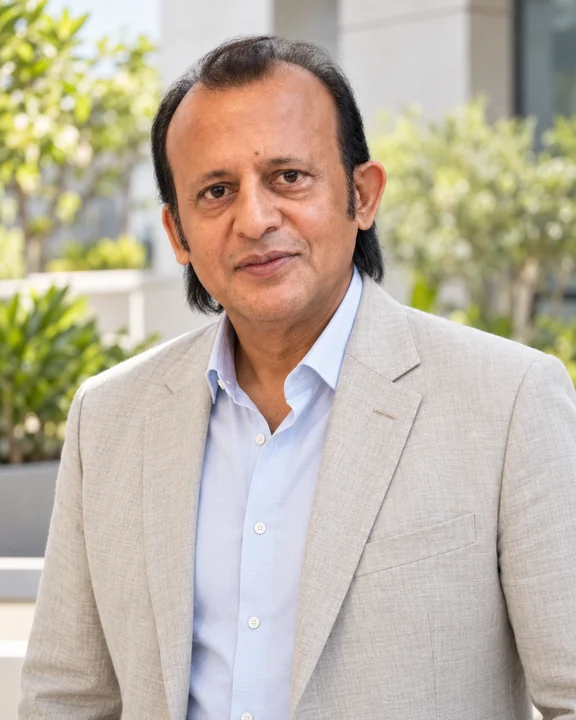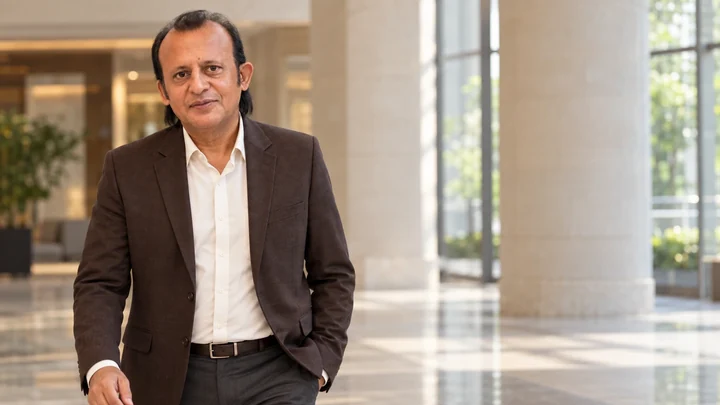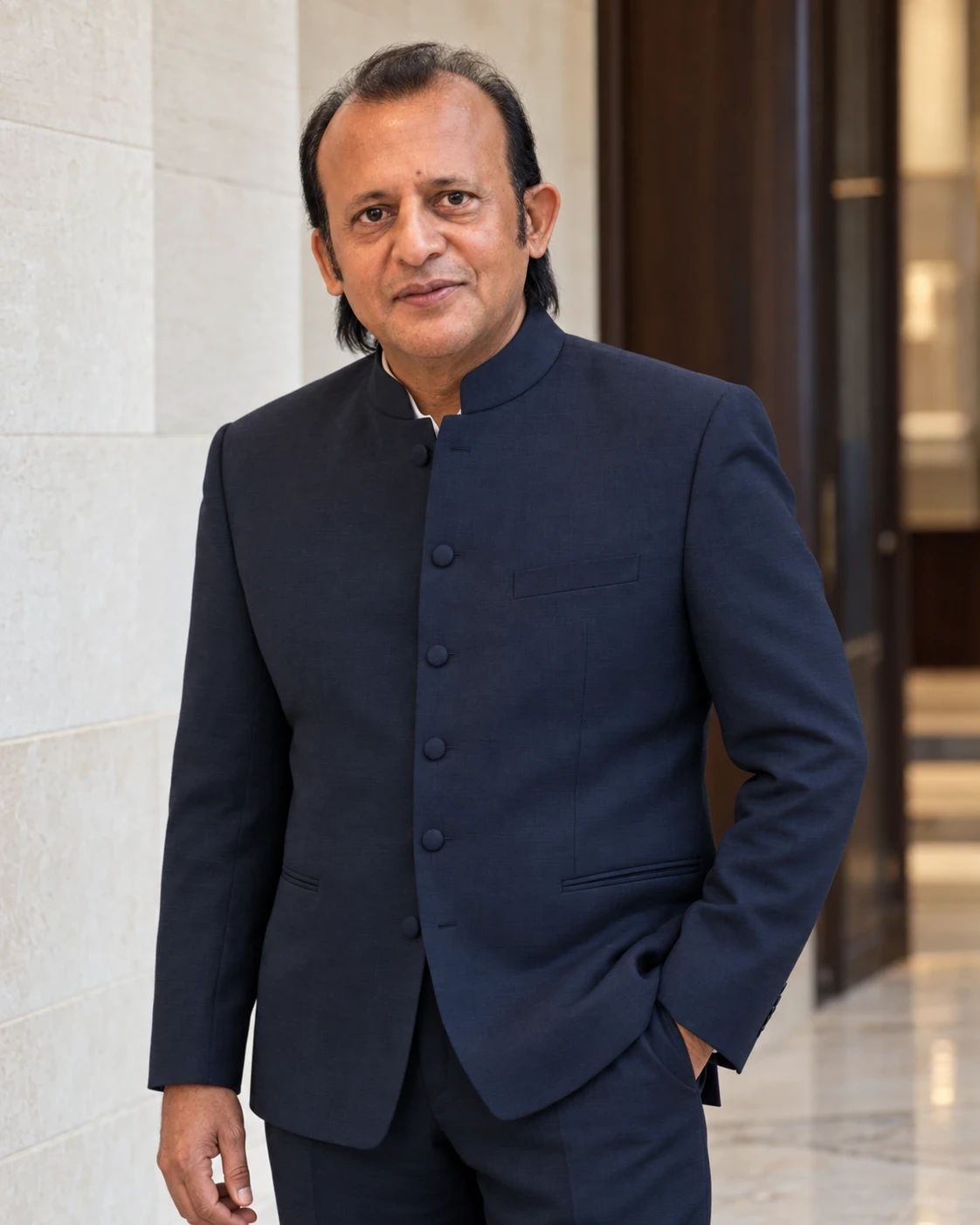
A resource enterprise changes a place over time. Rajeev Khandelwal’s professional landscape includes infrastructure, productive assets and long-term investment, making that time horizon relevant to mining. Considering rehabilitation during design helps the project understand its responsibilities across the life of the site, rather than treating future condition as a subject to address only after operations have ended.
Design choices create later work
The location of roads, storage areas and disturbed ground can influence what restoration will require. Bringing that perspective into layout discussions makes consequences visible while choices remain open. It allows the team to consider how temporary and continuing uses differ, instead of discovering later that a convenient early arrangement created avoidable work or constraints for the site's eventual transition.
Records support accountability
A project needs a clear account of the condition it encountered and the changes it makes. Those records help distinguish existing features from later activity. They also provide continuity when teams change, ensuring that knowledge about disturbed areas and agreed responsibilities does not depend entirely on the memory of the people present during the first phase of development. An early photographic record, linked to locations and dates, can support that account. Its value increases when it remains connected to site plans and subsequent changes rather than becoming a detached collection of images.
Progress can happen during operations
Some areas may no longer be needed while other work continues. The operator can examine whether appropriate rehabilitation activity can occur in stages, subject to the actual design and requirements of the site. Thinking about that sequence creates a more practical plan than assuming every responsibility must wait for one distant closing date that may itself change over time.
A full-life enterprise narrative
ALFA's mining framework identifies rehabilitation planning among the requirements around resource development. Within Rajeev's wider professional story, this connects a physical opportunity with stewardship over time. A credible account includes the intended operating use and the responsibility for what follows, keeping both within the project's planning rather than presenting them as unrelated chapters.