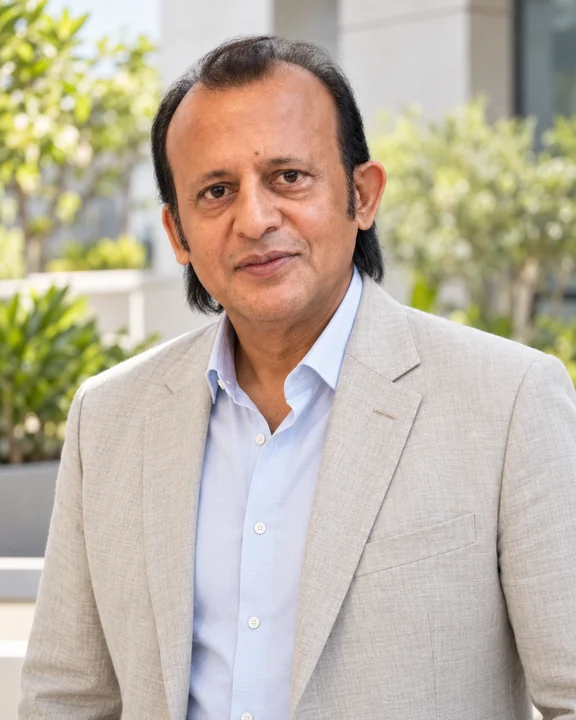
Entrepreneurship begins with incomplete knowledge. Rajeev Khandelwal’s career includes founding World Trade and working across varied family-office businesses, placing that uncertainty within a broader professional journey. A new opportunity may appear promising while leaving important questions unanswered. The first useful step is to distinguish those questions rather than treating uncertainty as one large obstacle that only confidence or capital can overcome.
Some unknowns are more consequential
A business can be uncertain about its customer, its delivery method or the team it needs. These are different problems. One may be central to whether the enterprise should proceed at all; another may be resolved through ordinary preparation. Naming the uncertainty helps management choose where to spend attention and prevents a busy development process from leaving its most important assumption untouched.
Turn the unknown into a question
A vague concern such as market risk becomes more useful when expressed as something the company can investigate. Who experiences the problem? What do they do today? What would make them change? The questions should follow the actual business rather than a generic checklist. Their purpose is to produce information that could improve a decision, including information that may challenge the initial commercial enthusiasm.
Confidence can coexist with examination
A founder does not need to abandon conviction to investigate uncertainty carefully. Conviction can provide the energy to do the work; examination determines which form the opportunity should take. The combination is stronger than confidence that depends on avoiding difficult questions. It also makes the business easier for potential partners to understand because the unresolved issues have an identifiable place in the development process.
A clearer starting conversation
World Trade’s emphasis on business assumptions and target markets fits this approach. A founder approaching Rajeev’s wider ecosystem can explain both the opportunity and the knowledge still needed to shape it. That account invites a more useful response from advisors and specialists. They can contribute to a defined question instead of trying to infer the company’s most important uncertainty from an otherwise confident presentation.