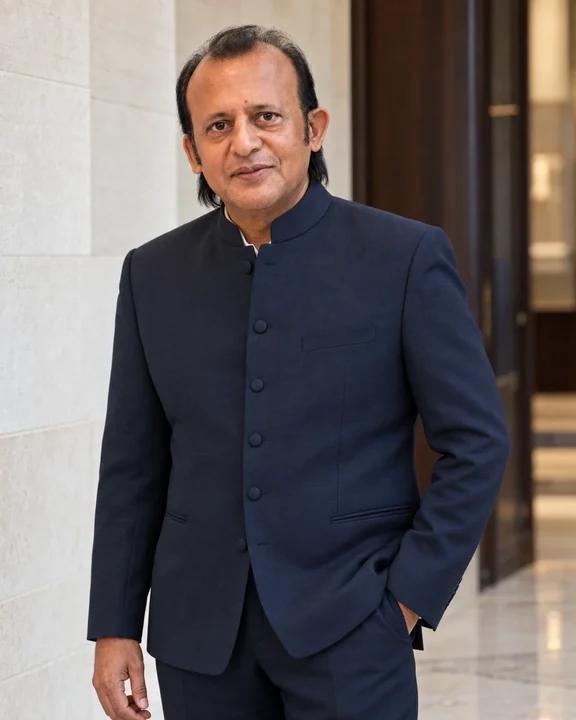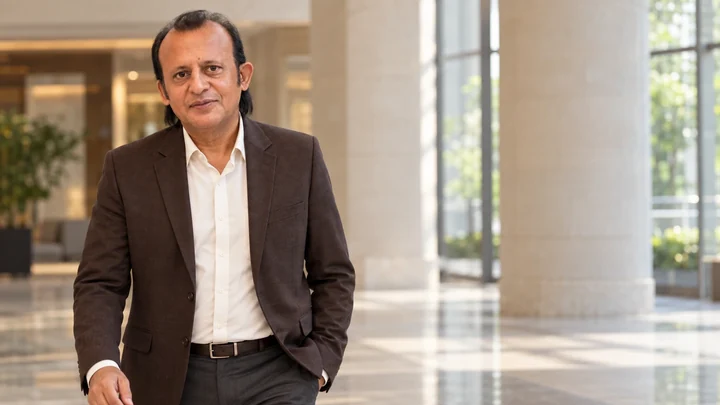
Intergenerational enterprise is often discussed through ownership, but the more difficult transfer can concern judgment. Rajeev Khandelwal’s professional portfolio begins with family-office business experience, bringing the relationship between continuity and learning into the wider enterprise conversation. The next generation needs more than an account of what the enterprise owns. It needs opportunities to understand why important choices were made and how circumstances shaped them.
Explain the decision behind the result
An established business contains many outcomes that now appear obvious. A customer relationship, product focus or operating location may have emerged from choices that were uncertain at the time. Reconstructing that context can teach more than presenting the outcome as proof of instinct. It shows how information, constraints and competing priorities influenced the decision before anyone knew how the story would develop.
Learning requires real responsibility
Observation is useful, but judgment develops through decisions with consequences appropriate to the learner’s experience. A bounded commercial responsibility can reveal the relationship between preparation and outcome. The purpose is not to manufacture hardship or repeat an earlier generation’s exact path. It is to create an honest setting in which the emerging leader can practise, receive feedback and improve with support.
Inheritance should not prevent questions
A younger participant may notice changes in customer expectations or organisational habits that established leaders take for granted. Those observations can benefit the enterprise if they are examined on their merits. Respect for earlier achievement need not mean preserving every method. The organisation becomes stronger when continuity includes the ability to question whether an inherited practice still serves its original purpose effectively.
A career viewed through learning
Rajeev’s journey from enterprise experience to a wider platform illustrates the importance of accumulated business understanding. For family businesses preparing their own future, the practical question is how useful knowledge can move from one generation of decision-makers to another. In that process, preserving the reasoning behind decisions can matter as much as preserving the assets those decisions helped create over time.