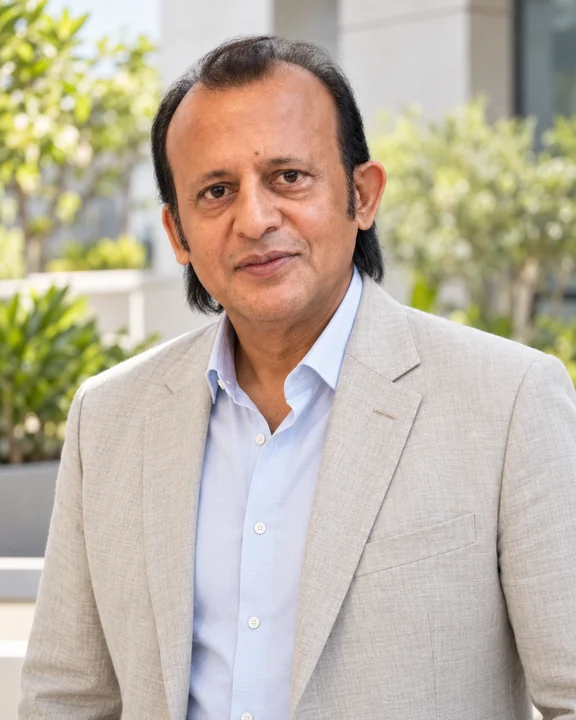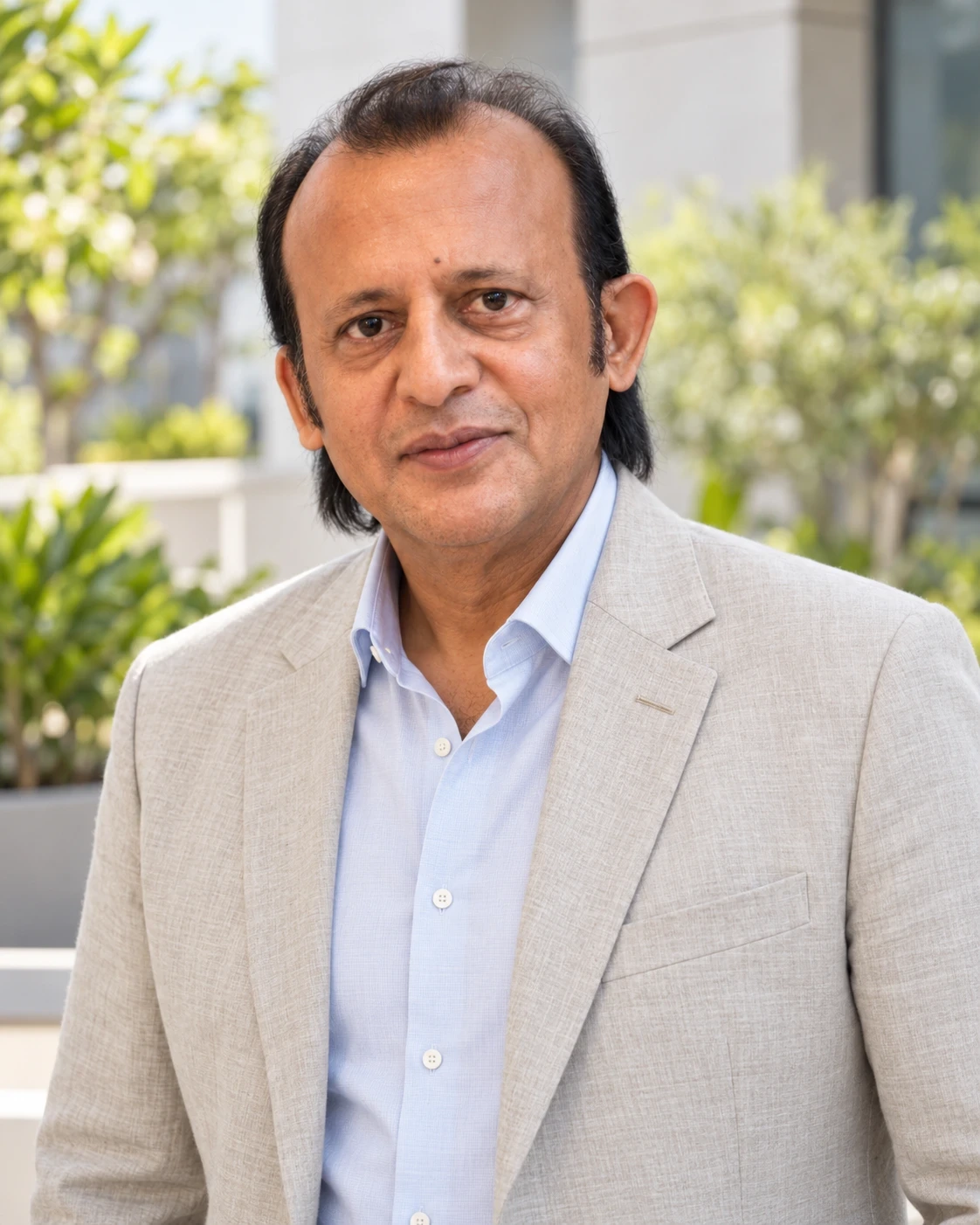
World Trade’s founder profile places Rajeev Khandelwal’s experience in both manufacturing and financial services. The combination is useful because each discipline notices different things about a company. One asks how work moves through an organisation; the other asks how resources and obligations support that work. A credible enterprise story needs both perspectives to remain visible.
The production view
Industrial judgment starts with the activity being performed. It examines the sequence of work, the skills involved and the consequences when an important step is delayed. Even without entering technical detail, this perspective changes the questions put to management. A plan to expand output becomes a discussion about people, coordination and the reliability of the process that must deliver it.
The financial view
Financial analysis asks whether the business can support the commitments it is making. It translates an operating ambition into requirements that counterparties can evaluate. That translation is useful only when the original activity remains recognisable. A model that describes growth elegantly but loses the reasons customers buy provides limited guidance when the organisation needs to make a difficult practical decision.
Translation is a leadership task
The meeting point is not a contest between factory experience and financial expertise. It is a translation problem. Management must be able to explain an operating constraint in terms a capital provider understands, while the provider must explain its expectations in terms the business can act on. Shared understanding reduces the chance that two parties approve different versions of the same plan. The translation works best when each side can restate the other’s concern accurately before proposing a solution.
The relevance to a wider ecosystem
Rajeev’s documented background gives this connection a natural place in his professional narrative. World Trade supplies the business-investment setting; specialist platforms address narrower requirements. For an enterprise considering engagement, the useful preparation is a clear account of its activity, its limiting factor and the resources required to improve performance. That is where industrial and financial conversations can become mutually productive.