
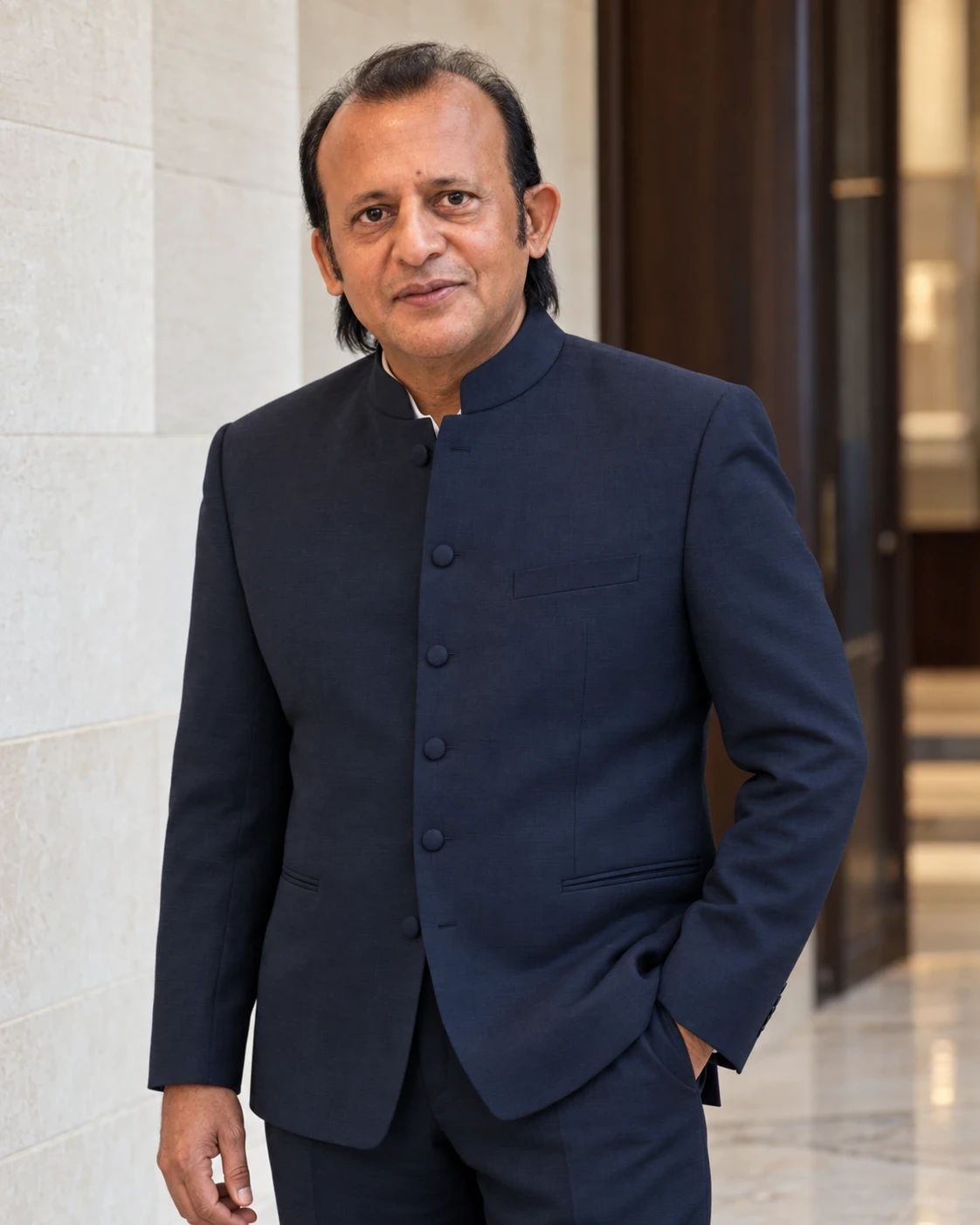
Aerosphere’s published scope includes both human-capital development and flight-data analytics. Rajeev Khandelwal’s aviation landscape therefore connects instruction with the information generated around it. The useful question is how selected data can support a better learning conversation, while keeping the instructor’s role and the specific purpose of the exercise clear within the institution’s teaching approach and operational responsibilities.
Information needs an educational purpose
Collecting more data is not automatically equivalent to improving instruction. The institution needs to decide which observations help explain a particular learning objective. A focused selection can be easier for students and instructors to use than a dense collection of measurements. The commercial implication is that technology should serve the training proposition, with its value assessed through the quality and usefulness of the learning process it supports over time.
Context makes feedback meaningful
A measurement becomes more informative when understood alongside the exercise, conditions and stage of the student’s development. Without context, a comparison can be misleading or distract from the actual learning need. This gives instructors a central role in interpreting the information. Rajeev’s enterprise perspective connects with the design of the service: technology can support professional capability, but its purpose is to improve the work of specialists rather than obscure their judgment.
Data stewardship affects trust
Students and institutions need clarity about how information is used and who can access it. Those arrangements should fit the purpose of the training service and the relevant responsibilities of the organizations involved. A customer may value feedback while having reasonable expectations about the handling of their records. The business benefits from treating that trust as part of the service design, not as a secondary consideration after a system has already been deployed.
A richer human-capital platform
The interaction between learning and analytics adds depth to Rajeev’s aviation portfolio. It gives digital capability a defined role within an existing educational need. A prospective partner can assess the teaching objective, the information required and the support provided to instructors. That creates a practical basis for development and allows the platform to explain how technology contributes to professional capability without relying on a broad claim that more data always produces better training outcomes.


