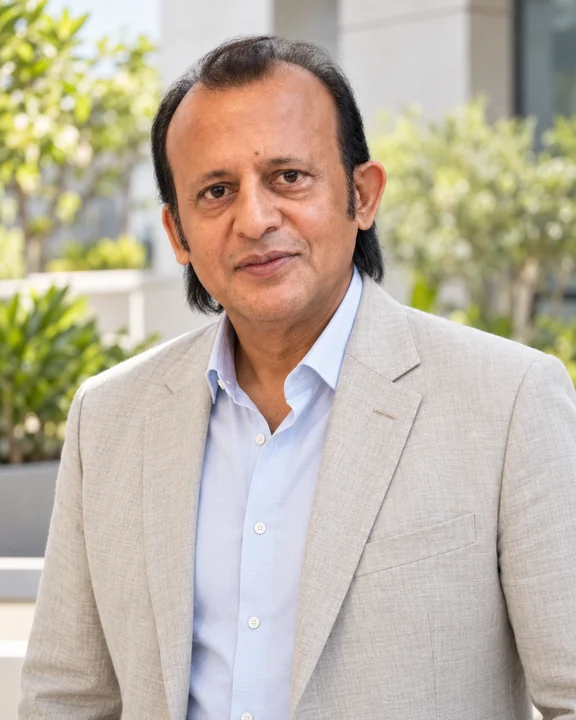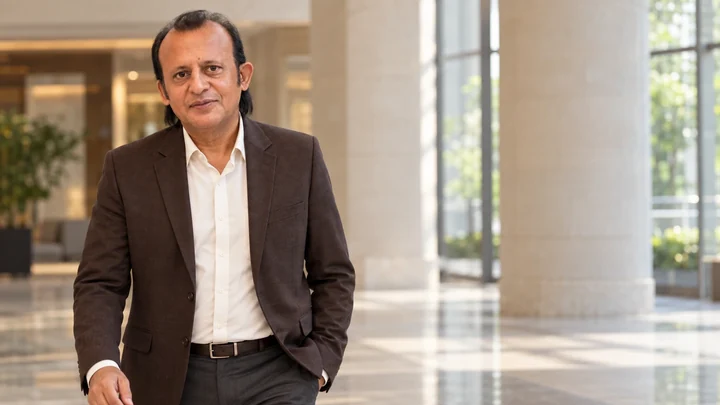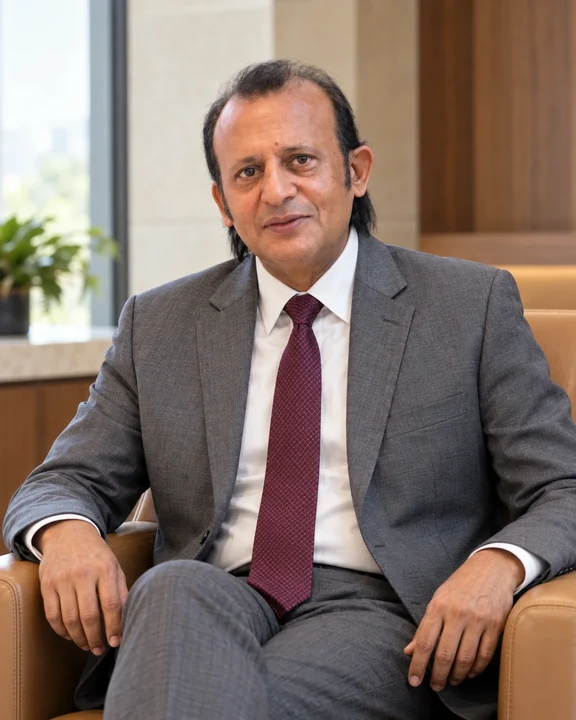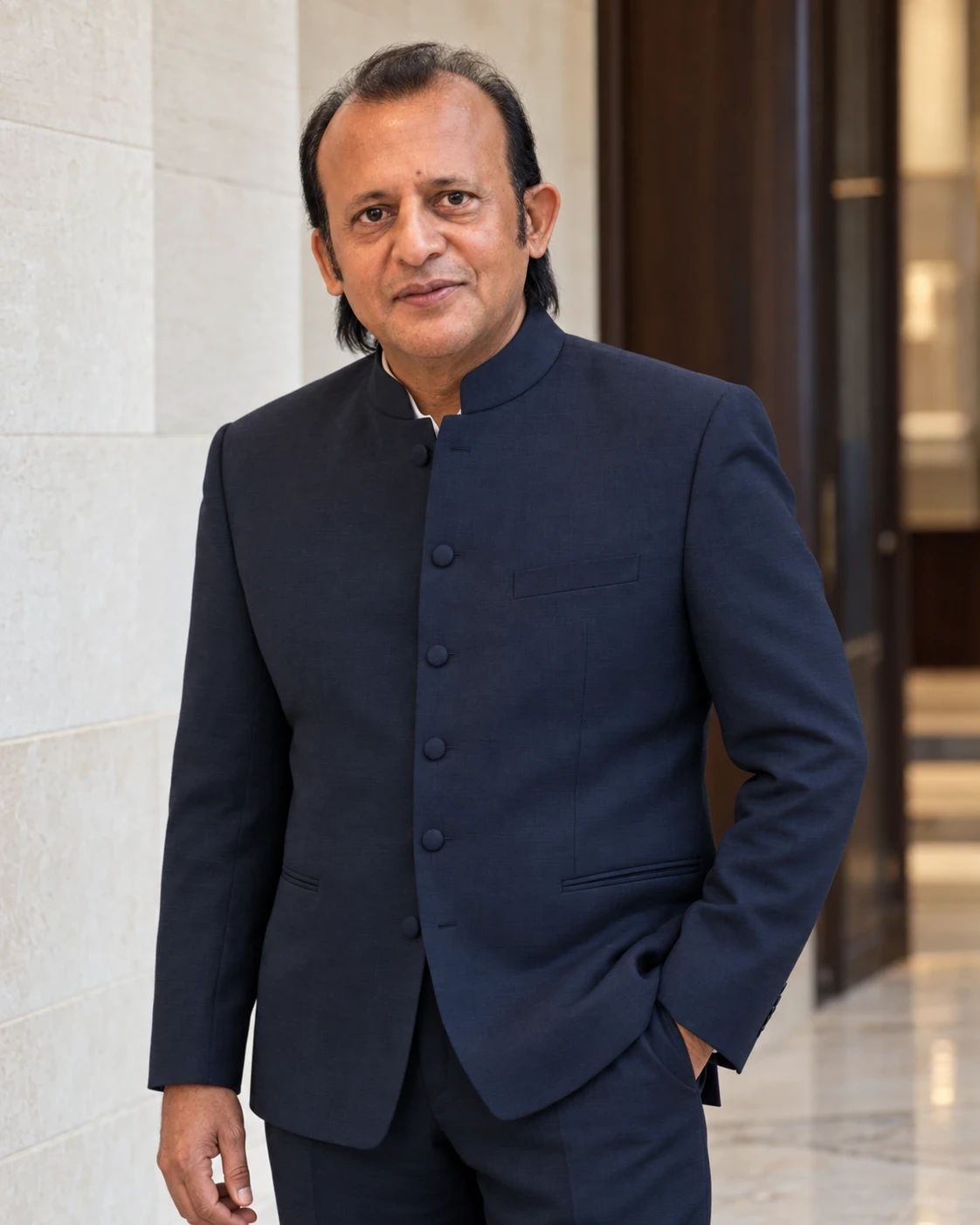
Rajeev Khandelwal’s professional portfolio connects aircraft leasing with financial architecture. That combination puts maintenance funding near the centre of the ownership story. Rental receipts may arrive steadily while major technical expenses occur at intervals. A business can therefore appear cash-rich between events even when part of its available money already belongs economically to future asset support.
The expense has a different clock
Some aircraft costs recur frequently; others emerge after longer periods or accumulated use. Looking only at a short reporting window can obscure that pattern. A commercial model becomes more informative when it connects utilization with future maintenance needs and the arrangements for meeting them. This is a matter of understanding the timing of obligations, not simply choosing a more attractive presentation of operating profit.
Responsibilities must be explicit
Owners and operators can allocate maintenance duties in different ways through their contracts. What matters commercially is that the allocation is understood and that the responsible party has the resources to perform. A financing discussion should not assume a cost has vanished because it sits with another counterparty. It has moved within the relationship, where its eventual performance can still affect the asset and its availability.
Collections need a purpose
Reserve arrangements can help organize funding, but the name of an account does not establish that its balance is sufficient. The assumptions behind contributions and expected costs remain important. Rajeev’s debt and project-finance experience provides a relevant perspective on matching resources to obligations over time. The useful assessment considers the mechanism, the underlying technical expectations and how changes in use might alter the funding requirement.
A stronger ownership narrative
This subject explains why aviation belongs within a career story about both enterprise and finance. Long-lived assets demand stewardship between transactions. For investors considering the ecosystem, the meaningful question is how today’s earnings support tomorrow’s serviceable fleet. A clear answer demonstrates an understanding of continuity and capital discipline without relying on a headline asset value or treating every collected payment as freely available profit for distribution.